
Italy · Lombardy
Milan, off the clock
By day it's Italy's financial capital, all tailoring and timetables. Walk the same streets after seven and a completely different city turns up — canal bars, cathedral rooftops at golden hour, and an aperitivo spread that doubles as dinner.
Italy's capital of ambition, best understood after dark · 45.46° N · 9.19° E
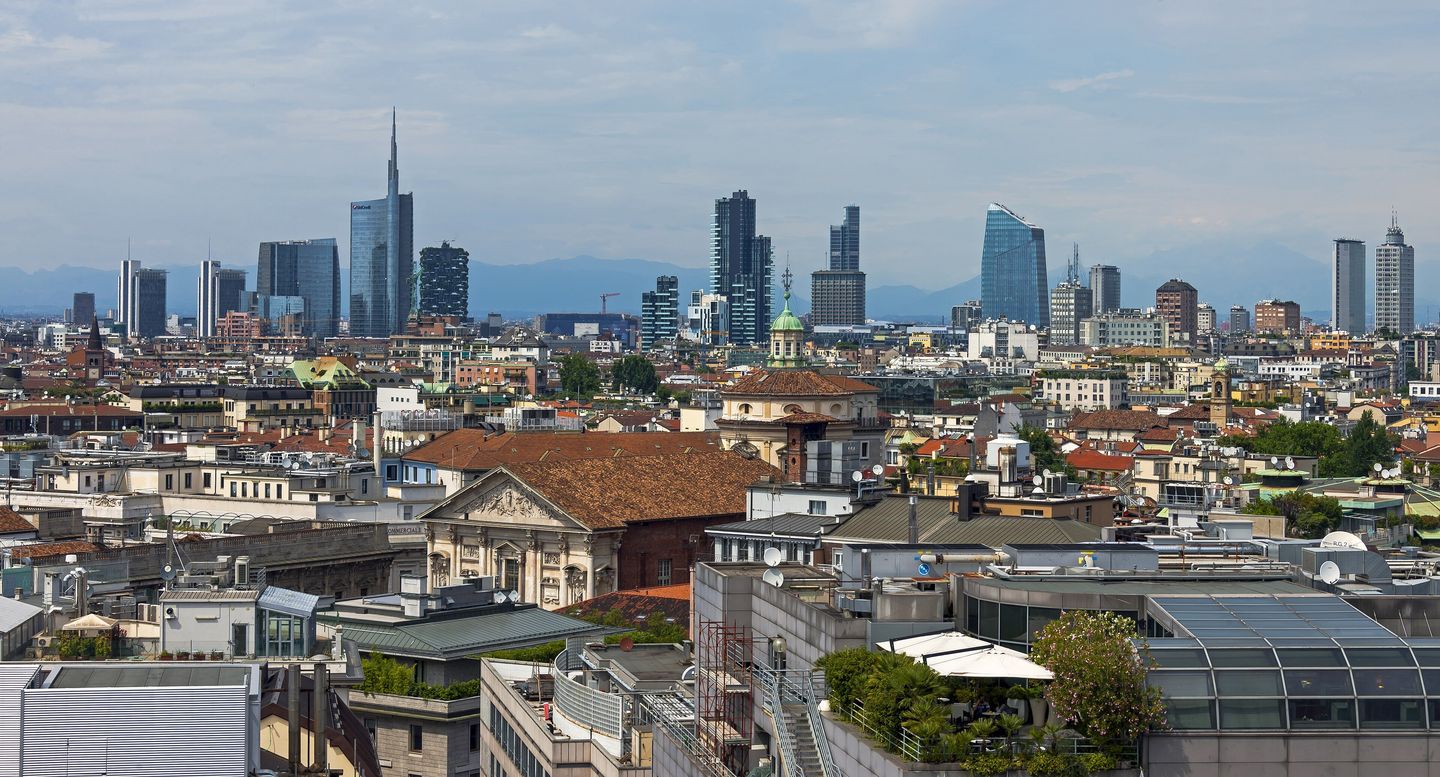
Milan has an image problem it has mostly made peace with: Italians from everywhere else like to call it grey, hurried, and more German than Italian in temperament. There's a grain of truth in it — this is a city built on finance, publishing, and fashion houses, where lunch is a forty-minute transaction and nobody is strolling anywhere with real purpose in their stride. But that reputation only describes Milan between nine and six. The rest of the day tells a different story entirely.
What Milan actually offers is density without the performance. A Gothic cathedral that took nearly six centuries to finish and still isn't quite done being restored. A 19th-century shopping arcade under a glass dome that functions, unapologetically, as a cathedral of commerce. A canal district that Leonardo da Vinci had a hand in engineering, now the loudest aperitivo strip in northern Italy. World-class painting collections that draw a fraction of the queues Florence or Rome pull in. None of it is trying especially hard to charm you, which, after enough time in more performatively pretty Italian cities, starts to feel like a relief.
This is not a guide that pretends Milan is secretly as romantic as Rome or as photogenic as Venice. It isn't, and chasing that comparison misses the point. What follows is how to use the city on its own terms — where its handful of true must-sees cluster, which neighbourhoods reward slow evenings, when the design and fashion calendar will triple your hotel bill, and how to eat and drink like someone who actually lives here rather than someone squeezing in a connecting-flight layover.
The caseWhy Milan earns more than a layover
Most itineraries treat Milan as a one-night stopover between the airport and somewhere more obviously scenic — Lake Como, the Dolomites, the rest of Italy. That undersells it badly. The Duomo alone, with its forest of spires and a rooftop terrace you can walk across, is one of the great Gothic set pieces in Europe, and it draws noticeably thinner crowds than the Colosseum or the Uffizi for a sight of comparable weight. Leonardo's Last Supper, a fifteen-minute walk away, is one of the most famous paintings on the planet and one of the hardest to actually see in person — timed tickets, booked out for weeks, a strict quarter-hour in the room — which is precisely why most visitors never bother and precisely why it's worth the planning.
The deeper case is cultural rather than monumental. Milan is where modern Italian design, fashion and food culture are actually made rather than merely sold to tourists, and that gives the city a different texture from the postcard circuit further south. The aperitivo ritual — a drink that comes with a buffet substantial enough to skip dinner — was essentially invented here and is still taken more seriously here than almost anywhere else in the country. Add two of Europe's great art collections (Brera and the Pinacoteca Ambrosiana), a canal district with genuine nightlife, and a shopping quarter that functions as an open-air museum of taste, and the case for more than one night writes itself.
The calendarWhen to go
Late April through June and mid-September through October are Milan's best windows — mild, rarely oppressively hot, and with long enough evenings to make the most of aperitivo hour outdoors. Spring brings a complication worth knowing about: Milan Design Week (Salone del Mobile), typically in April, fills every hotel in the city and turns the Brera and Tortona districts into round-the-clock showrooms, which is either a reason to come or a reason to avoid those exact dates depending on your tolerance for crowds and surge pricing.
The same goes, more sharply, for Fashion Week, which lands twice a year — late February/early March and late September — and briefly makes Milan one of the most expensive hotel markets in Europe. Avoid those weeks unless the shows are the point. August is the opposite problem: Ferragosto, the mid-month public holiday, empties the city as Milanese decamp to the coast or the lakes, and a meaningful share of family-run trattorias simply close for two or three weeks, leaving a hot, quiet, slightly hollowed-out city behind. Winter is cold and often grey with fog rolling in off the Po valley, but it's also when La Scala's opera season opens in style on 7 December and the Christmas markets fill the squares — underrated if you dress for it.
LogisticsGetting around
Milan's five-line ATM metro network (M1 red, M2 green, M3 yellow, M4 blue, M5 lilac) covers the city efficiently, and a single ticket at €2.20 covers 90 minutes across metro, tram and bus with unlimited transfers — buy a carnet of ten at any staffed station or tobacconist to save the queue each time. The heritage orange trams, some of them 1920s rolling stock still in daily service, are slower than the metro but worth riding at least once for the view through the windows rather than underground.
Three airports serve the city, and which one you land at changes your transfer plan completely. Linate is the closest, barely seven kilometres out, and since 2022 the M4 metro line runs directly from the airport to San Babila in the centre in about twelve minutes on a standard transit ticket — the easiest airport transfer of any major Italian city. Malpensa, the main international hub, sits roughly fifty kilometres northwest; the Malpensa Express train runs to both Centrale and Cadorna stations in fifty to sixty minutes on its own separate ticket (around €13), and is the sensible choice over a taxi given Milan traffic. Orio al Serio, near Bergamo, handles the budget carriers and is reachable only by coach, about an hour to Centrale — factor that transfer time into any tight connection.
The tableHow Milan actually eats
Milan runs on two very different eating rhythms, and understanding both explains a lot about the city. Lunch, pranzo, is often a brisk working transaction — a quick plate at a tavola calda counter or a fixed-price business menu eaten in under forty-five minutes, because this is Italy's most relentlessly professional city and the midday break reflects it. Dinner, and especially the hour before it, is where Milan slows down and shows its hand.
Aperitivo here is practically a civic institution: order one drink, usually a Negroni, a Campari-based spritz, or a glass of wine, typically between 6 and 9pm, and most bars lay out a buffet generous enough to function as dinner on its own — cold cuts, pasta salads, focaccia, sometimes a full spread of hot dishes. The Navigli canal strip and the bars around Brera do this particularly well. On the plate itself, the city's signature dishes reward a search beyond the generic trattoria menu: risotto alla milanese, stained gold with saffron and finished with bone marrow, often served alongside ossobuco; cotoletta alla milanese, a bone-in veal cutlet breaded and fried until it's bigger than the plate; and, for street food, panzerotti — fried dough pockets stuffed with tomato and mozzarella — and a michetta roll grabbed on the way to the office. Milan is also where Campari, the Negroni and the modern spritz effectively took shape, so the cocktail hour here carries more historical weight than it looks like it does.
The mapNeighbourhoods to know
Brera, tucked between the Duomo and the Castello, is Milan's prettiest surprise — cobbled lanes, low buildings, and a human scale that feels almost un-Milanese, anchored by the Pinacoteca di Brera's old-masters collection and a dense cluster of intimate restaurants and wine bars. The Navigli district, built around a stretch of 1920s industrial canal, is the opposite register entirely: loud, young, and the centre of the city's nightlife, with a Sunday antiques market (the Mercatone dell'Antiquariato) that turns the towpaths into a flea-market sprawl.
The Centro Storico around the Duomo and the Galleria Vittorio Emanuele II is where the postcard sights cluster and where the crowds are thickest — worth a full day but not where most people should base themselves overnight. Porta Venezia, just east, is quietly one of the best residential picks: Art Nouveau ('Liberty style') apartment blocks, a large park, a genuinely multicultural restaurant scene, and the hub of Milan's LGBTQ+ nightlife. For something more contemporary, Isola and the Porta Nuova district show off Milan's newer architectural ambitions, including the Bosco Verticale 'vertical forest' towers, and sit a short walk from Milano Centrale's grand, slightly fascist-era station hall, itself worth a look even if you're not catching a train.
Field intelligencePractical intelligence
Dress for the Duomo specifically: shoulders and knees covered is enforced at the door, more strictly than at many other Italian churches, and visitors in shorts or sleeveless tops do get turned away. Validate paper tram and bus tickets at the small yellow or orange machines on board before you sit down — plainclothes inspectors do check, and the fine is well out of proportion to the €2.20 you were trying to save.
Tipping is not the custom here the way it is in the US; a service charge (servizio) is often already folded into the bill, and rounding up is generous rather than obligatory. If you're visiting in mid-August, check specific restaurants are open before walking there — Ferragosto closures catch visitors out every year. And budget extra time, and extra euros, if your dates happen to overlap Fashion Week or Design Week; check the calendar before booking anything, because both events can double hotel rates across the entire city with almost no warning if you weren't watching for them.
What to see & do
-
Duomo di Milano
A Gothic cathedral nearly six centuries in the making, its marble facade bristling with 135 spires and thousands of statues, crowned by the gilded Madonnina watching over the whole city.
Tip:Buy the rooftop-terrace ticket, not just cathedral entry — walking among the spires at eye level is the actual highlight, and the stairs route is cheaper than the lift.
-
Galleria Vittorio Emanuele II
A glass-domed 19th-century shopping arcade connecting the Duomo to La Scala, lined with the kind of flagship boutiques that make it feel like a cathedral built for commerce instead of worship.
Tip:Find the bull mosaic at the central octagon and spin a heel on it for luck, the way generations of Milanese have before you — the stone is visibly worn smooth.
-
The Last Supper (Cenacolo Vinciano)
Leonardo da Vinci's mural, painted directly onto the refectory wall of Santa Maria delle Grazie, viewed in strictly timed fifteen-minute slots to protect a painting that has been deteriorating and being restored for five hundred years.
Tip:Book weeks, ideally months, ahead on the official site — tickets for popular dates sell out almost immediately and there is essentially no reliable walk-up option.
-
Castello Sforzesco
The fortified former seat of Milan's ruling Sforza dynasty, now a sprawling museum complex that holds Michelangelo's final, unfinished sculpture, the Pietà Rondanini.
Tip:The civic museums inside charge separate admission from the castle grounds themselves, which are free to walk — budget for both if the collections interest you.
-
Pinacoteca di Brera
One of Italy's great old-masters collections, housed in a former monastery in the Brera district, with Mantegna's foreshortened Lamentation of Christ and Raphael's Sposalizio della Vergine among the highlights.
Tip:It draws a fraction of the queues at Florence's Uffizi for art of comparable importance — go on a weekday morning and you may have whole rooms nearly to yourself.
-
The Navigli canals
A 1920s industrial canal district, partly engineered centuries earlier with input from Leonardo da Vinci, now the loudest stretch of bars and aperitivo terraces in the city.
Tip:Come on a Sunday for the antiques market along the towpaths, then stay through the evening when the same stretch turns into the city's busiest night out.
-
Quadrilatero della Moda
The fashion quadrilateral around Via Montenapoleone and Via della Spiga, where Milan's biggest cultural export is on display in flagship form rather than on a runway.
Tip:You don't need to buy anything — treat it as a free walk-through exhibition of window displays and architecture between the big houses.
-
San Siro Stadium
Officially the Stadio Giuseppe Meazza, the shared home ground of AC Milan and Inter and one of European football's great cauldrons, with a museum and stadium tour running on non-match days.
Tip:A match-day ticket beats the tour by a wide margin if your dates line up — check both clubs' fixture lists before booking accommodation elsewhere in the city.
On the groundWhere things are
Map data © OpenStreetMap contributors.
Where to stayBase yourself well
Brera
Best for first-timers who want charm without sacrificing locationCobbled, low-rise, and the prettiest central district — galleries, wine bars and the Pinacoteca on your doorstep, with the Duomo a short walk away.
A boutique hotel on a quiet Brera side street
Look just off the main Via Brera for the same atmosphere with less foot traffic at night.
€€€A design-led apartment near the Pinacoteca
Self-catering here puts the morning market streets and evening wine bars equally within reach.
€€Navigli
Best for late nights and a younger crowdCanal-side and loud after dark — the centre of Milan's nightlife, with the Sunday antiques market by day. Expect noise on weekend evenings.
A canal-view hotel on the Naviglio Grande
Ask for a room on an upper floor or facing away from the water if you want to actually sleep before 2am on a Friday.
€€Centro Storico (Duomo)
Best for a short stay built around the headline sightsThe historic core, with every postcard sight within walking distance and the thickest crowds and highest rates to match.
A classic hotel steps from the Galleria
You pay a premium for the address, but you'll never need a metro ride to reach the Duomo, Scala or Galleria.
€€€€A mid-range hotel just south toward Porta Romana
A ten-minute walk trims the price noticeably without losing the centre's convenience.
€€€Porta Venezia
Best for repeat visitors and anyone wanting a residential feelArt Nouveau apartment blocks, a big public park, a genuinely multicultural food scene and the hub of the city's LGBTQ+ nightlife — one of the best value central bases.
A Liberty-style hotel near the Giardini Pubblici
The park makes mornings here noticeably calmer than the Centro Storico, with the metro still a short walk off.
€€Isola & Porta Nuova
Best for business trips and arrivals heavy on connecting trainsMilan's newest skyline, including the Bosco Verticale towers, with a growing crop of modern hotels a short walk from Centrale station.
A contemporary hotel near Porta Nuova
Handy for an early train from Centrale, with Isola's quieter aperitivo bars a few minutes further on foot.
€€€Affiliate notePostcardRoute is reader-supported. Some links to Booking.com (stays, flights, car hire, tickets and tours, airport transfers) are affiliate links, tracked through CJ Affiliate: if you book through them we may earn a small commission at no extra cost to you. We only recommend places we would send a friend.
Book the restEverything else for the trip
Stay sorted? These open Booking.com for the other legs of the journey.
-
Tours & tickets
Things to do in Milan
Skip-the-line tickets, tours and day trips.
Browse activities -
Wheels
Car hire in Milan
Compare pick-up points and rental companies.
Compare cars -
Air
Flights
Search fares, then come back for the neighbourhood advice.
Search flights -
Ground
Airport transfers
Book a taxi or private transfer before you land.
Book a transfer
Affiliate noteThese four links are affiliate links too: if you book through them we may earn a small commission at no extra cost to you.
Beyond the cityWorthwhile day trips
- Lake Como
An hour north by train into Alpine foothills and lakeside villas; rent a small boat with no licence required to hop between Bellagio, Varenna and Menaggio at your own pace.
- Bergamo
A walled upper town of Venetian ramparts and Renaissance piazzas about an hour from Milano Centrale, with the Città Alta's cobbled streets feeling a world away from Milan's pace.
- Certosa di Pavia
A lavishly decorated Carthusian monastery, one of the great set pieces of Italian Renaissance architecture, a short train ride south via Pavia and an easy half-day out.
Before you goCommon questions
- How many days do you need in Milan?
- Two full days covers the headline sights comfortably — the Duomo, the Galleria, the Last Supper if you've booked ahead, and one neighbourhood to wander properly. Three lets you add Brera's gallery, the Navigli canals at night, and a half-day trip out to Lake Como or Bergamo without feeling rushed.
- What is the best area to stay in Milan for first-timers?
- Brera. It's central, walkable to the Duomo and Castello, noticeably prettier than the busier Centro Storico, and has one of the best concentrations of good restaurants and wine bars in the city. Porta Venezia is the best-value alternative if Brera's prices put you off.
- Is Milan expensive to visit?
- It depends heavily on timing. Outside Fashion Week and Design Week, Milan is comparable to or slightly cheaper than Rome or Florence for food and mid-range hotels. During those events, hotel rates across the entire city can double or more with little warning, so check the calendar before booking.
- Do I need to book Last Supper tickets in advance?
- Yes, well in advance — weeks at minimum, ideally months for a specific date. Viewings run in strict fifteen-minute timed slots to protect the fragile mural, demand far outstrips daily capacity, and walk-up availability is essentially nonexistent.
- What is the best time of year to visit Milan?
- Late April to June and mid-September through October offer the mildest weather and longest evenings for aperitivo hour. Avoid Fashion Week (late February/early March and late September) and Design Week (April) unless those events are the point of your trip, since both spike prices and crowds sharply.
- How do I get from Milan's airports into the city?
- From Linate, the M4 metro line runs directly to San Babila in about twelve minutes on a standard transit ticket — the simplest option. From Malpensa, the Malpensa Express train reaches Centrale or Cadorna in fifty to sixty minutes on a separate ticket. From Orio al Serio near Bergamo, a coach to Centrale takes about an hour; there is no direct rail link.
- Is Milan worth visiting if I'm not into fashion or shopping?
- Yes. The fashion reputation covers roughly one neighbourhood's worth of the city. The Duomo, the Last Supper, the Brera and Ambrosiana art collections, the Navigli canal nightlife and the food and aperitivo culture have nothing to do with shopping and are reason enough on their own.