
Spain · Community of Madrid
Madrid runs on a later clock
No coastline, no single postcard monument to chase — just a landlocked capital that has quietly built the best street life in Europe, and does most of it after 9pm.
Europe's latest city, running on its own clock · 40.42° N · 3.70° W
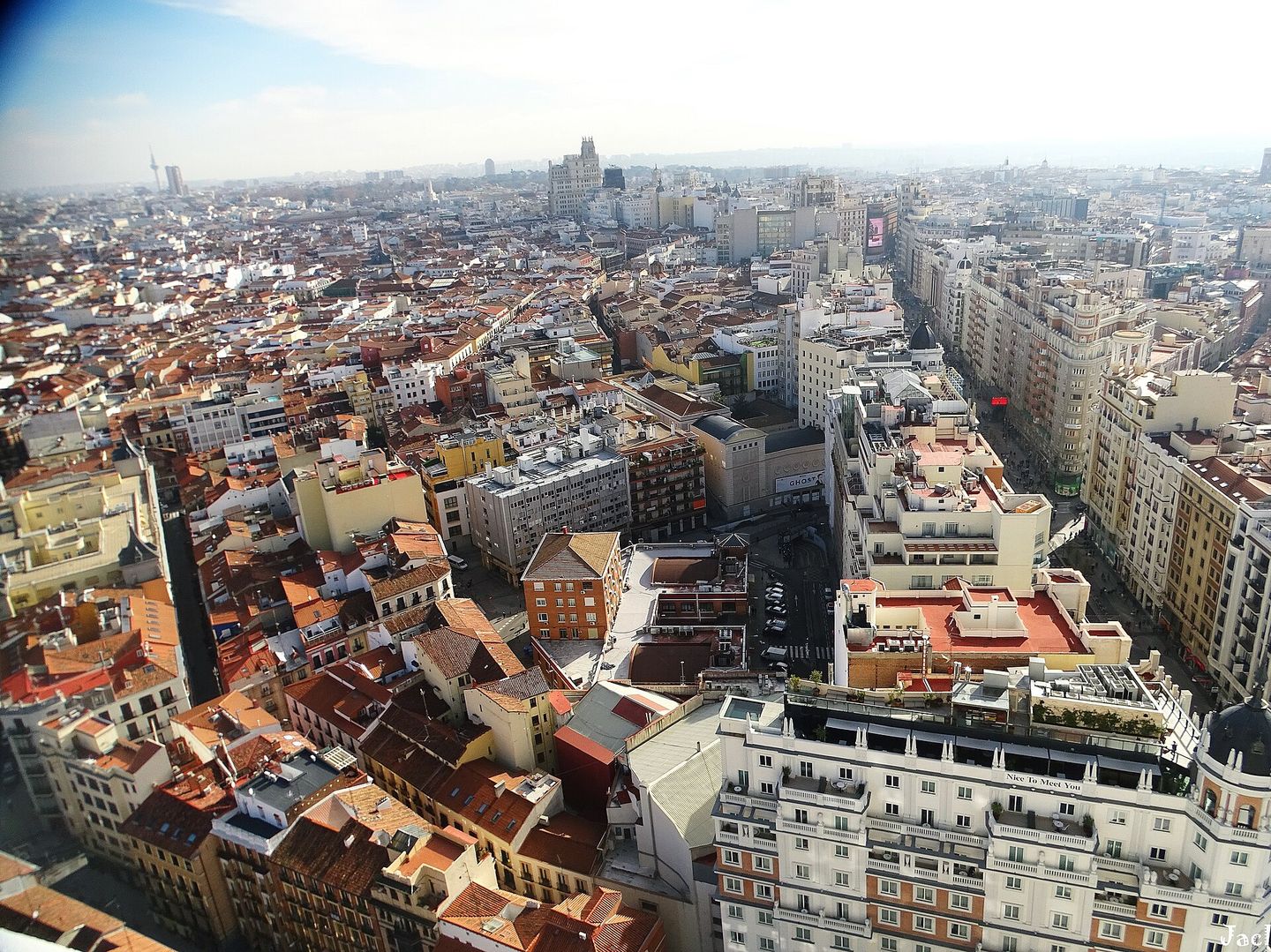
Madrid has a branding problem it has never bothered to fix. Barcelona has Gaudí and a beach. Seville has flamenco and orange trees. Madrid, sitting alone on a dry plateau in the exact geographic centre of Spain with no river worth the name and no coastline at all, has never had a single elevator pitch. What it has instead is arguably the best urban life in Europe, sustained by people who go out constantly, eat late, and treat the street as an extension of the living room. It is a capital that rewards visitors who stop looking for the one big thing and start noticing the density of small good things instead.
That density is the whole story. Within a couple of square kilometres around the centre you can walk from a world-class Velázquez to a hundred-year-old vermouth bar to a Sunday flea market that swallows an entire hillside, and do it all on foot, because Madrid is flat, compact, and laid out for walking in a way few capitals its size manage. The Golden Triangle of Art — the Prado, the Reina Sofía, the Thyssen-Bornemisza — sits along one boulevard. The best tapas crawl in the country runs through La Latina in under a mile. Nothing requires a taxi.
What follows isn't a checklist of the Palacio Real and a photo of Gran Vía at night, although you should see both. It's the neighbourhood-level information that makes the difference between a trip that feels like a museum itinerary and one that feels like you briefly lived somewhere — where to sleep, when Madrid actually comes alive, how the meal schedule really works, and which day trips genuinely earn the train fare out of the city.
The caseWhy Madrid, specifically
Madrid's defining trait is that almost nothing here is performed for visitors. The Golden Triangle of Art holds the Prado's staggering Spanish and Flemish collections, the Reina Sofía's Guernica, and the Thyssen-Bornemisza's private-collection sweep from medieval altarpieces to Rothko, and locals genuinely use annual passes to duck into all three on ordinary weeknights. The tapas bars of La Latina and the vermouth counters that fill up at one in the afternoon on a Sunday aren't a tourism-board invention; they're just how the city has always eaten, decades before anyone thought to write it up as a trend.
The other case for Madrid is pace and scale. It's the third-largest city in the EU by population but reads as far smaller on foot, because the historic centre, the museums, the best shopping street and the best market are all within a compact, walkable core. You lose almost no time to transit. What you gain instead is the ability to stumble from a cathedral into a 200-year-old chocolatería into a rooftop bar without planning any of it, which is closer to how the city actually wants to be experienced than any fixed itinerary.
The calendarWhen to go
Spring and autumn are the honest answer, and the reason is Madrid's continental climate, which is unusually extreme for a European capital at this latitude. April, May, September and the first half of October bring warm, mostly dry days and cool evenings — ideal for the terrace culture the city is built around, and before or after the two crowd peaks of Easter week and August.
Summer is genuinely punishing. July and August regularly push past 35°C by mid-afternoon, and locals respond exactly as you'd expect: much of the city empties out for the coast in August, restaurants shutter for their own holidays with handwritten signs in the window, and the pace that makes Madrid special slows to a crawl during daylight hours. If you do come in summer, shift your day toward Madrid's own rhythm — a late start, an indoor museum during the worst heat of early afternoon, and everything else after 8pm when the terraces refill.
Winter is colder than most visitors expect for southern Europe — Madrid sits at altitude on a high plateau, and cold, dry nights are normal from December through February — but it's also the season of empty museums, reasonable hotel rates and the Christmas lights along Gran Vía, and it's underrated for exactly the reasons Paris's grey winters are underrated.
LogisticsGetting around
Walk the centre and take the Metro for everything else. Madrid's underground is one of the largest and most efficient networks in Europe — clean, frequent, and running from around 6am to 1:30am — and because the historic core is genuinely compact, most first-time visitors will use it less than they expect. The Sol–Gran Vía–Malasaña–La Latina cluster is entirely walkable in fifteen or twenty minutes end to end.
Buy a rechargeable Tarjeta Multi at any station and load it with single fares or a 10-trip Metrobús pack, which covers both Metro and city buses and can be shared between travellers. If you're combining the centre with day trips on the Cercanías commuter rail, look at the zone-based Abono Turístico instead, which bundles Metro, bus and Cercanías travel for a set number of days.
Cercanías trains, all running through Atocha and Chamartín stations, are how you reach Aranjuez, El Escorial and the regional towns without a car. For longer day trips like Toledo and Segovia, faster AVANT and AVE high-speed services depart from the same two stations and cut the journey to well under an hour. Taxis are metered, reasonably priced by European standards, and worth it late at night or with luggage, but during the day they're rarely faster than the Metro across the centre.
The tableHow Madrid actually eats
Forget the meal times you know. Lunch, not dinner, is the main event, typically eaten between 2 and 4pm, and the best-value way into it is the menú del día — a fixed-price, multi-course lunch with bread and a drink included, offered Monday to Friday by kitchens that would charge triple for the same food at dinner. Dinner rarely starts before 9pm, and kitchens that open at 7 for tourists are usually still empty of locals an hour later.
La hora del vermut — vermouth hour — runs from around 1pm, just ahead of lunch, and it's a genuine institution: a glass of sweet, house-made vermouth on tap, paired with a small plate of something briny or pickled, drunk standing at the bar rather than seated. La Latina on a Sunday, right after the Rastro market closes, is the vermouth hour at its fullest.
Tapas culture here means moving, not settling in. The etiquette is to stay standing, order one or two plates at a time rather than a full spread up front, and treat a single bar as one stop on a longer crawl rather than the whole evening — Calle Cava Baja in La Latina and the streets around Plaza Santa Ana are built for exactly this. Classic Madrid dishes worth seeking out include cocido madrileño, a slow-simmered chickpea and meat stew served in courses and usually only found at lunch in winter; bocadillo de calamares, a fried-squid sandwich sold from stalls near Plaza Mayor; and torreznos, thick-cut pork belly cracklings that are a Madrid bar staple rather than a tourist dish. Finish, whatever the hour, with churros and thick drinking chocolate at a chocolatería — Chocolatería San Ginés, tucked down an alley off Puerta del Sol, has been doing this since 1894 and stays open into the small hours specifically for people leaving bars.
The mapNeighbourhoods to know
Sol and the surrounding Centro district is Madrid's dead centre in the literal sense — Kilometre Zero, the point from which all Spanish road distances are measured, sits in the pavement of Puerta del Sol — and it's where Plaza Mayor, the best-known squares and the densest concentration of sights all sit within a few blocks of each other. It's also the loudest and most tourist-facing part of the city, worth visiting constantly but not necessarily worth sleeping in.
Malasaña, just north of Gran Vía, is Madrid's grungier, more youthful quarter — a former countercultural hub from the 1980s la Movida Madrileña scene that has since gentrified into vintage shops, natural wine bars and some of the city's best casual restaurants, without losing its scruffy, lived-in edge. Chueca, its immediate neighbour, is the city's LGBTQ+ heart, dense with independent boutiques along Calle Fuencarral, restaurant terraces around Plaza de Chueca, and a nightlife scene that runs later than almost anywhere else in the centre.
La Latina, south and slightly west of Sol, is the oldest surviving fabric of the city — a tangle of narrow medieval streets built for tapas-hopping, home to the Sunday Rastro flea market that spills for blocks down Calle de la Ribera de Curtidores. Salamanca, east of the centre, is the polished, upscale counterpoint: wide grid-planned avenues, the city's designer shopping strip along Calle de Serrano, and a quieter, more residential feel that trades atmosphere for comfort and calm.
Field intelligencePractical intelligence
Madrid's museums cluster their free hours in the evening rather than the morning — the Prado, for instance, offers free entry for the last two hours before closing most days — which also happens to be when the light through the galleries is at its best and the crowds have thinned. Check each museum's specific free window before you go, since they vary.
Tipping is not the American-style obligation it is elsewhere; service is included in the price, and rounding up a euro or two, or leaving small change for good service, is generous rather than expected. Greeting staff with a simple buenas or buenos días on entering a bar or shop is basic courtesy here, not a formality, and it noticeably changes how you're treated.
Summer heat is the most common trip-planner for visitors, and the local response is worth copying: front-load sightseeing into the morning, retreat indoors or to a shaded terrace through the worst of the early afternoon, and save outdoor plans for after 7pm when the temperature actually drops. Tap water is safe and normally free on request. And build slack into any evening plan — Madrid dinner reservations routinely run late by the standards of most of Europe, and nobody here is rushing you out the door.
What to see & do
-
Museo del Prado
One of the finest art collections on earth, built on the Spanish royal collection and heaviest in Velázquez, Goya and Bosch — Las Meninas alone justifies the entry fee, and the museum is large enough that trying to see everything guarantees you remember nothing.
Tip:Free entry runs the last two hours before closing most days; go then for a shorter, sharper visit and a noticeably thinner crowd.
-
Museo Reina Sofía
Spain's national museum of 20th-century art, and the permanent home of Picasso's Guernica — a single room built around one painting that stops most visitors mid-sentence, alongside a strong collection of Miró and Dalí.
Tip:Guernica draws the whole museum's crowd; see it first thing after opening, then work backward through the quieter galleries.
-
Palacio Real
Europe's largest functioning royal palace by floor area, still used for state ceremonies despite the royal family living elsewhere — over 3,000 rooms, of which a few dozen lavish state apartments are open to the public.
Tip:Skip the audio guide's slowest sections and head straight for the Throne Room and the Royal Armoury, the two genuinely unmissable stops.
-
Parque del Retiro
A former royal garden turned the city's green lung — 1.4 square kilometres of formal gardens, a rowable lake in front of the Monument to Alfonso XII, and the glass-and-iron Palacio de Cristal, all a short walk from the art museums.
Tip:Rent a rowboat on the lake on a weekend morning before the queue builds, or simply walk to the Rosaleda rose garden, which most visitors miss entirely.
-
Plaza Mayor
A vast 17th-century arcaded square that has served as marketplace, bullring, execution site and now the city's grandest outdoor living room, ringed by cafés that are overpriced but worth one coffee purely for the setting.
Tip:Come at night once the day-trip crowds thin, when the arcades are lit and street musicians take over the centre of the square.
-
Mercado de San Miguel
A restored 1916 iron-and-glass market hall a block from Plaza Mayor, now a dense grazing circuit of tapas counters, cava stalls and pintxos rather than a place to buy groceries.
Tip:Go for an early lunch or a pre-dinner snack rather than a full sit-down meal — it's built for grazing between three or four counters, not one long sitting.
-
Gran Vía
Madrid's early-20th-century answer to Broadway, cut through the old city between 1910 and 1929, lined with theatres, department stores and some of the finest eclectic and Art Deco facades in the capital.
Tip:Look up — the street is famous for its rooftops and cornices, and almost nobody walking it at pavement level notices them.
-
Templo de Debod
An actual 2nd-century BC Egyptian temple, gifted to Spain in 1968 for helping save Nubian monuments from the Aswan Dam floodwaters, now reassembled stone by stone on a hilltop above the Manzanares with the city's best sunset views.
Tip:Arrive thirty minutes before sunset and claim a spot on the surrounding lawn — this is where Madrid itself comes to watch the sky change colour.
On the groundWhere things are
Map data © OpenStreetMap contributors.
Where to stayBase yourself well
Sol & Centro
Best for first-timers who want to walk to everythingDead centre, in the literal sense — Kilometre Zero, Plaza Mayor and the densest concentration of sights are all within a few blocks, at the cost of being the loudest and most tourist-facing part of the city.
A mid-range hotel a block off Puerta del Sol
Look for a side street rather than a room facing the square itself, which stays loud well past midnight on weekends.
€€€A budget guesthouse near Plaza Mayor
Central Madrid has an unusually good supply of clean, simple guesthouses in converted apartment buildings — check floor level for street noise.
€€Malasaña
Best for younger travellers and nightlifeGrungy, arty and youthful, with vintage shops, natural wine bars and some of the city's best casual restaurants layered over a former countercultural neighbourhood that never fully polished itself up.
A design-led boutique hotel near Plaza del Dos de Mayo
Puts you in the heart of the neighbourhood's bar scene — expect noise on weekend nights in exchange for the best café culture in the city.
€€€La Latina
Best for food-focused visitors who want old Madrid on the doorstepThe oldest surviving street plan in the city, a warren of narrow lanes built for tapas-hopping, and home to the Sunday Rastro flea market that takes over the entire hillside.
A small hotel near Calle Cava Baja
This one street holds one of the best concentrations of tapas bars in Spain, and you'll be steps from all of it.
€€Chueca
Best for nightlife, dining, and an inclusive, central baseMadrid's LGBTQ+ heart and one of its best dining and shopping districts, dense with independent boutiques along Calle Fuencarral and a nightlife scene that runs later than almost anywhere else central.
A stylish mid-range hotel near Plaza de Chueca
Central, walkable to Gran Vía and Malasaña alike, with the square's terraces right outside.
€€€Salamanca
Best for a polished, upscale base with easy taxi accessWide, grid-planned avenues, the city's designer shopping strip along Calle de Serrano, and a quieter, more residential register that trades street-level buzz for comfort and calm.
A grande-dame hotel near Calle de Serrano
The 6th-arrondissement-equivalent of Madrid: expect polish, quiet streets and a price to match.
€€€€Affiliate notePostcardRoute is reader-supported. Some links to Booking.com (stays, flights, car hire, tickets and tours, airport transfers) are affiliate links, tracked through CJ Affiliate: if you book through them we may earn a small commission at no extra cost to you. We only recommend places we would send a friend.
Book the restEverything else for the trip
Stay sorted? These open Booking.com for the other legs of the journey.
-
Tours & tickets
Things to do in Madrid
Skip-the-line tickets, tours and day trips.
Browse activities -
Wheels
Car hire in Madrid
Compare pick-up points and rental companies.
Compare cars -
Air
Flights
Search fares, then come back for the neighbourhood advice.
Search flights -
Ground
Airport transfers
Book a taxi or private transfer before you land.
Book a transfer
Affiliate noteThese four links are affiliate links too: if you book through them we may earn a small commission at no extra cost to you.
Beyond the cityWorthwhile day trips
- Toledo
A walled hill city where Christian, Muslim and Jewish heritage layer on top of each other in a single cathedral-and-synagogue-dense old town, reachable in about half an hour by high-speed train from Atocha. Deserves a full day rather than a half.
- Segovia
A near-complete Roman aqueduct striding through the modern town centre, plus a fairy-tale castle said to have inspired Disney's, all around half an hour by high-speed train from Chamartín. Pair it with the region's famous roast suckling pig for lunch.
- El Escorial
Philip II's vast, austere monastery-palace-mausoleum complex in the foothills northwest of the city, roughly an hour by Cercanías from Atocha or Chamartín. Sobering, enormous, and unlike anything else on a Madrid itinerary.
- Aranjuez
A UNESCO-listed royal town of formal gardens and a lavish 18th-century palace beside the Tagus river, about forty-five minutes by Cercanías from Atocha. Famous for its spring strawberries, sold streetside from small stalls near the station.
Before you goCommon questions
- How many days do you need in Madrid?
- Three full days covers the Golden Triangle of Art, the historic centre and at least one proper tapas crawl without rushing. Four lets you add a day trip to Toledo or Segovia without cutting anything from the city itself. Two days is workable but forces a choice between the museums and the neighbourhoods, which is the wrong trade-off to have to make.
- What is the best area to stay in Madrid for first-timers?
- Sol or Centro puts you within walking distance of nearly everything, though it's the loudest and most tourist-facing part of the city. Malasaña or Chueca are a short walk further out and give you a far more textured, local neighbourhood to come home to each night, for only a slightly longer walk to the sights.
- Is Madrid expensive to visit?
- Less than most Western European capitals, and it's easy to eat and drink well on a modest budget if you follow local habits: the menú del día for lunch, vermouth and tapas standing at a bar rather than a seated dinner, and the Metro instead of taxis. Museum entry is also unusually generous, with free evening windows at all three major galleries.
- What is the best time of year to visit Madrid?
- Spring (April to May) and autumn (September to mid-October) bring warm days, cool evenings and manageable crowds. Summer is genuinely hot, with daytime temperatures regularly above 35°C in July and August, and much of the city — including many restaurants — takes its own holiday in August. Winter is cold and dry but rewards visitors with empty museums and lower hotel rates.
- How does Madrid's meal schedule actually work?
- Lunch, not dinner, is the main meal, typically eaten between 2 and 4pm and best value via the fixed-price menú del día on weekdays. Vermouth hour runs from around 1pm, just before lunch. Dinner rarely starts before 9pm, and restaurants that open earlier for visitors are usually still quiet an hour later, once locals start arriving.
- How do I get from the airport into central Madrid?
- Metro Line 8 runs directly from Adolfo Suárez Madrid–Barajas Airport into the centre and is the cheapest reliable option, though it involves a small airport supplement on top of the standard fare. The Airport Express bus runs 24 hours to Atocha via Cibeles and is a good alternative with luggage. Official metered taxis charge a fixed flat rate to anywhere inside the city limits.