
Italy · Piedmont
Turin, Italy's best-kept elegant secret
Grand arcaded boulevards, an Egyptian collection that rivals Cairo's, and a cup of hot chocolate invented specifically to survive the cold. Somehow, most itineraries skip it.
Dispatch from the elegant capital Italy forgot to advertise · 45.07° N · 7.69° E
Plan this trip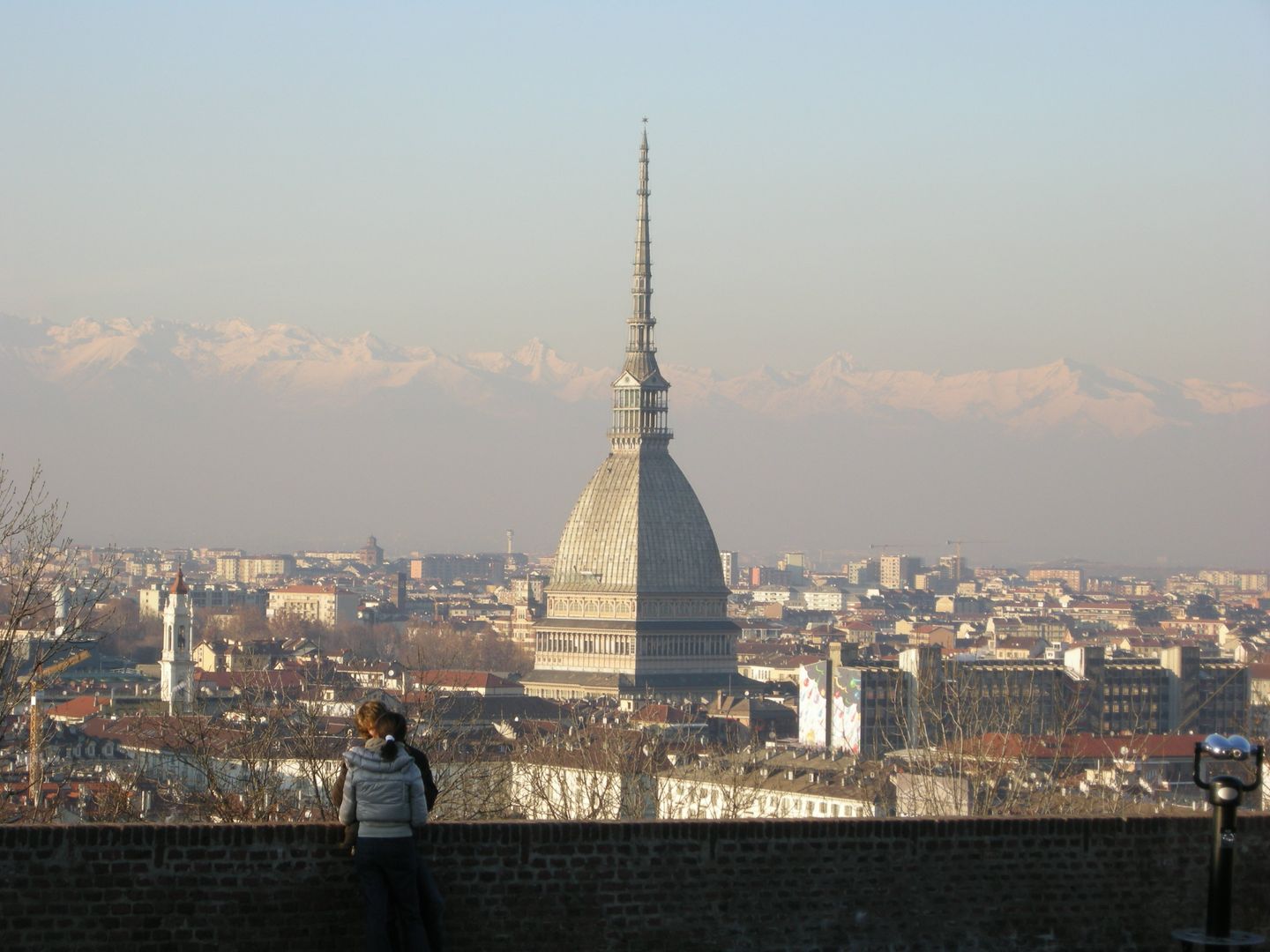
Turin has an image problem it never bothered to fix. Ask most travellers what Italy's fourth-largest city is known for and, if they answer at all, it's Fiat, or the Winter Olympics it hosted in 2006, or a vague memory of a shroud. What almost nobody mentions is the actual experience of being there: eighteen kilometres of covered arcades that let you cross the historic centre in a rainstorm without opening an umbrella, the second-largest collection of Egyptian antiquities on earth outside Cairo, and a Baroque royal capital laid out with the geometric confidence of a city that used to run an empire, because it did.
That royal history is the key to almost everything Turin does well. This was the seat of the House of Savoy for three centuries, and briefly, from 1861 to 1865, the first capital of a unified Italy — a status it lost to Florence and then Rome, taking with it a wave of institutions, bureaucrats and prestige that never fully returned. What stayed behind was the infrastructure of a capital built for a court: grand piazzas sized for royal processions, palaces that now function as some of Italy's least-crowded major museums, and a café culture that invented vermouth and the bicerin specifically because Savoy nobility expected refinement even in a hot drink.
This dispatch treats Turin as a city that rewards slow arrival rather than a checklist stopover between Milan and the Alps. What follows covers when the weather and the festival calendar cooperate, which neighbourhoods actually suit a stay versus a wander, how a genuinely serious food and chocolate culture works day to day, and which Piedmont day trips are worth sacrificing a Turin morning for. None of it requires fighting Venice-level crowds to get to.
The caseWhy Turin deserves more than a layover
The Museo Egizio alone justifies a special trip. Founded in 1824 and built on a collection assembled under King Carlo Felice, it holds over 40,000 artefacts and is widely considered the finest Egyptian collection outside Egypt itself — Jean-François Champollion, the scholar who first deciphered hieroglyphs, reportedly said the road to Memphis and Thebes passed through Turin. Unlike the British Museum or the Louvre's Egyptian wing, it is a dedicated museum with room to actually see what it holds, and it rarely feels crowded even in high season.
The rest of the city backs that up with genuine architectural range. The Mole Antonelliana, an audacious 167-metre tower originally commissioned as a synagogue and now home to the National Cinema Museum, dominates the skyline and doubles as the best viewpoint in the city via a glass panoramic lift through the middle of the atrium. Piazza San Carlo and Piazza Castello are two of Italy's most complete Baroque squares, largely free of the souvenir-stall clutter that has crept into equivalent piazzas elsewhere. And because so few international visitors make the detour off the Milan–Alps corridor, Turin delivers first-tier Italian culture — museums, food, architecture — at a pace and a price that Florence and Venice stopped offering decades ago.
The calendarWhen to go
April through June and mid-September through October are the reliable sweet spots — warm enough for long piazza afternoons, cool enough that the covered arcades feel like a nice option rather than the only bearable route across town. Turin sits in the Po valley ringed by the Alps, which means summer heat gets trapped and humid; July and especially August turn genuinely uncomfortable, and a meaningful share of family-run restaurants close for the whole of August, the traditional Italian holiday month, so a summer visit needs some slack built in for shuttered doors.
Winter has a real case too, and not only for skiers using Turin as a gateway to the Milky Way ski resorts an hour and a half away. From early November through early January the city runs Luci d'Artista, a genuinely striking public art installation of contemporary light works strung across dozens of streets and piazzas rather than generic Christmas decorations — it's one of Europe's better-designed winter light festivals and draws almost none of the crowds Strasbourg or Vienna's markets do. Expect cold, occasionally foggy Po-valley winter weather, and dress for it; the arcades earn their keep here too.
LogisticsGetting around
Central Turin is flat, grid-planned by the Romans and then formalised by the Savoy dukes, and genuinely walkable — most of the headline sights sit within the historic centre's roughly 1.5-kilometre span, and the arcaded porticoes mean weather is rarely a reason to avoid walking it. Porta Nuova, the grand 19th-century station, sits right at the southern edge of the centre; Porta Susa, the newer high-speed hub, sits at the western edge and connects directly to Paris and Lyon via TGV as well as Milan.
GTT runs the public transport: a single automated metro line (Line 1) crosses the city east–west, useful mainly for reaching Lingotto in the south, plus an extensive tram and bus network that covers everything the metro doesn't. A GTT ticket covers 90 minutes across all modes and is cheap by Western European standards; buy from tobacconists, metro machines, or the GTT app rather than boarding without one, since inspectors do check. The [TO]Bike bike-share scheme is functional for short hops along the flat centre and the riverside paths beside the Po. A car is actively unhelpful in the historic centre — much of it is a restricted traffic zone (ZTL) enforced by camera — and genuinely useful only for the day trips into the Langhe or the Alps.
The tableHow Turin actually eats and drinks
Turin's food culture runs on two industries the city invented more or less by accident: chocolate and vermouth. Gianduiotto, the ingot-shaped hazelnut chocolate wrapped in gold foil, was created here in the 1800s when a cocoa shortage during the Napoleonic blockade pushed chocolatiers to stretch supply with the abundant local hazelnuts — the result outlasted the shortage and became a defining regional export. The bicerin, layered espresso, drinking chocolate and cream served in a small glass, has been made the same way at cafés like Al Bicerin near Piazza della Consolata since 1763, and it is worth the wait for a table.
Vermouth was invented in Turin in 1786 by Antonio Benedetto Carpano, and the aperitivo hour it anchors is taken seriously here — arguably more seriously than in Milan, where the ritual gets more international press. Order a vermouth or a Bicerin-adjacent cocktail at any historic café between six and eight and a modest plate of snacks typically arrives included, an old Turin custom rather than a tourist gimmick. On the food side, this is Piedmont, one of Italy's most serious culinary regions: bagna cauda, a warm anchovy-and-garlic dip for raw vegetables, agnolotti del plin (tiny hand-pinched pasta parcels), and vitello tonnato, thin-sliced veal in a tuna-caper sauce, all show up on serious and unpretentious menus alike. The Slow Food movement was founded not far from here in the town of Bra, and Turin's Eataly — the very first Eataly store, opened in 2007 inside the old Lingotto Fiat factory — remains one of the better versions of that now-global format.
The mapNeighbourhoods to know
The Quadrilatero Romano, the old Roman grid at the centre's northern edge, is Turin's most atmospheric quarter by day and its liveliest by night — narrow straight streets laid down two thousand years ago now hold antique shops, wine bars and some of the city's best aperitivo spots, especially clustered near Piazza Emanuele Filiberto. It's central to everything and worth basing yourself in if you want to walk out the door into a genuine neighbourhood rather than a monument zone.
San Salvario, south of Porta Nuova station, is Turin's most international quarter, built up around waves of migration and now home to a dense mix of ethnic restaurants, natural wine bars and a young, mixed crowd — it has some of the same energy Milan's NoLo or Berlin's Neukölln had a decade back, at considerably lower rents. Crocetta, west of the centre, is the quietly wealthy residential district, all wide tree-lined avenues and Liberty-style apartment buildings, calm and well-connected without much in the way of nightlife of its own. Vanchiglia and Vanchiglietta, across the Po from the centre near the university, trade polish for a scrappier, studenty energy and easy access to the river paths and Parco del Valentino. For most first visits, the centre or San Salvario cover the bases; Crocetta suits anyone prioritising quiet over convenience.
Field intelligencePractical intelligence
Torino+Piemonte Card, sold at tourist offices and online, bundles free or discounted entry to most major museums — including the Museo Egizio and the Mole's panoramic lift — plus public transport, and pays for itself quickly if you're planning on hitting more than two or three sights. Many museums, including the Egizio, close on Mondays; check before building a tight itinerary around a specific day.
English is spoken reliably in the centre's hotels and major museums but noticeably less so than in Rome or Florence once you're a few streets off the main routes, particularly in family-run trattorias — a few basic Italian phrases go further here than in more tourist-saturated cities. Tipping is not the American-style expectation; rounding up or leaving a euro or two for good service is normal, and a coperto (small per-person cover charge) is standard and legal on Italian restaurant bills, not a scam. The city's porticoes are a genuine practical asset, not just an aesthetic one — check a map for which streets are covered before committing to a route in bad weather, since you can cross much of the centre almost entirely under cover.
Field notesWhat to see & do
-
Museo Egizio
The world's second-largest Egyptian antiquities collection after Cairo's, housed in a serious, uncluttered museum that rarely feels crowded even with 40,000-plus objects on display.
On the groundBook a timed ticket online for a specific entry slot, and go straight to the Tomb of Kha on the ground floor before the tour groups arrive — it's one of the most complete unlooted burial assemblages ever found.
-
Mole Antonelliana & National Cinema Museum
Turin's 167-metre landmark, built as an ambitious synagogue and now a genuinely excellent film museum, with a glass panoramic lift rising through the atrium to a viewing gallery over the whole city.
On the groundGo up near sunset — the lift ticket is separate from the museum ticket, and the light over the Alps from the top is worth timing for.
-
Palazzo Reale & Piazza Castello
The Savoy royal palace and its surrounding square, a UNESCO-listed complex of state apartments, armoury and gardens at the geometric heart of the old city — the anchor of Turin's Baroque centre.
On the groundThe Palazzo Madama, the older fortress-turned-palace on the same piazza, is a separate ticket and easy to combine into the same morning.
-
Reggia di Venaria Reale
A vast Savoy hunting palace on the city's edge, restored to spectacular effect with a mirror-lined Great Gallery that rivals Versailles, plus formal gardens that take a genuinely unhurried half-day to see properly.
On the groundReach it by the dedicated shuttle bus from Turin's Porta Susa or Porta Nuova station rather than driving; the on-site parking fills fast on weekends.
-
Parco del Valentino & Borgo Medievale
A long riverside park along the Po with a genuinely convincing recreated medieval village and castle built for the 1884 exhibition, plus the Castello del Valentino itself, a UNESCO-listed Savoy residence.
On the groundCombine it with a walk or bike ride along the river paths — it's the easiest green escape from the centre without leaving the city.
-
Quadrilatero Romano
The old Roman-grid quarter of straight narrow streets, now Turin's densest concentration of wine bars, antique shops and aperitivo spots, atmospheric by day and genuinely lively after dark.
On the groundCome for the evening aperitivo rather than a daytime pass-through — most of what makes this quarter worth it happens after six.
-
Lingotto & Pinacoteca Agnelli
The former Fiat factory, its rooftop test track now a public walkway, converted into a shopping and cultural complex topped by a small but excellent private art collection in a glass pavilion.
On the groundWalk the rooftop track (La Pista 500) even if you skip the gallery — it's a strange, genuinely memorable piece of industrial architecture repurposed as public space.
-
Basilica di Superga
A hilltop Baroque basilica across the Po with sweeping views over the city and the Alps beyond, reached by a wonderfully old-fashioned rack railway, and the solemn memorial site of the 1949 Torino FC air disaster.
On the groundTake the historic tranvia dentata (rack tramway) from Sassi rather than a taxi — the ride itself, climbing steeply through woods, is most of the point.
On the groundWhere things are
Map data © OpenStreetMap contributors.
Where to stayBase yourself well
Centro & Quadrilatero Romano
Best for first-timers and walkersThe historic core and the Roman-grid quarter beside it — arcaded streets, the major museums and piazzas all within walking distance, and the city's best concentration of evening bars on your doorstep.
A boutique hotel on a quiet street near Piazza Castello
Puts the Palazzo Reale, Museo Egizio and Mole Antonelliana all within a fifteen-minute walk.
€€€A converted apartment building in the Quadrilatero Romano
Trades a little polish for direct access to the aperitivo scene, at slightly softer rates than the main piazzas.
€€San Salvario
Best for food-focused stays and easy rail connectionsThe international, food-forward quarter just south of Porta Nuova station — dense with restaurants and natural wine bars, younger and looser than the centre, and a short walk from the station for day trips.
A design-led hotel near Porta Nuova station
Good for anyone combining Turin with rail day trips to the Langhe or Venaria — you're steps from the platforms.
€€Crocetta
Best for a calmer base with easy accessThe quiet, well-off residential district west of the centre — wide tree-lined avenues and Liberty-style buildings, calm at night, with a fifteen- to twenty-minute walk or short tram ride into the centre.
A residential-style hotel in Crocetta
Choose this over the centre if you want to sleep well and don't mind a short tram ride each morning.
€€Vanchiglia
Best for value and a younger, local feelThe scrappier, studenty quarter across the Po from the centre, near the university and the river paths through Parco del Valentino — cheaper, looser, and a short walk over one of the river bridges into town.
A simple guesthouse near Piazza Vittorio Veneto
The piazza itself is one of Europe's largest and opens directly onto the river; a bridge crossing puts you in the historic centre in ten minutes.
€Affiliate notePostcardRoute is reader-supported. Some links to accommodation are affiliate links: if you book through them we may earn a small commission at no extra cost to you. We only recommend places we would send a friend.
Beyond the cityWorthwhile day trips
- The Langhe wine region
An hour or so south by train or car, rolling UNESCO-listed vineyard hills around Alba, Barolo and Barbaresco produce some of Italy's most serious reds — a full day of cellar visits, hilltop villages and, in autumn, white truffle hunting.
- Sacra di San Michele
A dramatic medieval abbey perched on a rocky peak above the Susa Valley, reputedly one inspiration for Umberto Eco's The Name of the Rose, reached by a scenic drive or train-and-bus combination about 40 kilometres west of Turin.
- Lake Orta
The smallest and least crowded of the northern Italian lakes, roughly ninety minutes from Turin by train, with a genuinely romantic lakeside town and a tiny car-free island monastery reachable by rowing boat.
Before you goCommon questions
- How many days do you need in Turin?
- Three full days covers the headline sights — the Museo Egizio, the Mole Antonelliana, Piazza Castello and Venaria Reale — at a reasonable pace with room for a proper aperitivo evening. Two days works if you prioritise ruthlessly and skip Venaria; add a fourth day for a Langhe day trip.
- What is the best area to stay in Turin for first-timers?
- The historic centre near Piazza Castello or the adjoining Quadrilatero Romano. Both put the major museums, piazzas and evening bars within an easy walk, and the arcaded streets make getting around pleasant regardless of weather.
- Is Turin worth visiting if I've already seen Rome, Florence and Venice?
- Genuinely, yes — arguably more so, since Turin offers first-tier Italian museums and food culture without the crowds those three cities have accumulated. The Museo Egizio alone rivals anything in Rome for its category, at a fraction of the queue.
- What is Turin famous for?
- The House of Savoy's royal capital, a world-class Egyptian antiquities collection, the invention of vermouth and gianduiotto chocolate, the Fiat automobile industry, the Shroud of Turin housed in its cathedral, and hosting the 2006 Winter Olympics.
- What is the best time of year to visit Turin?
- April to June and mid-September through October give the most reliable mild weather. Late autumn and early winter bring the Luci d'Artista light festival, a genuine highlight; midsummer turns hot and humid, and many family-run restaurants close for August.
- Do I need a car to get around Turin?
- No — the historic centre is compact, flat and largely covered by arcades, and trams, buses and a single metro line reach everything else. A car becomes useful only for day trips into the Langhe wine region or the Alps, and is actively unhelpful in the restricted-traffic historic centre.
- How do I get from Turin's airport into the city centre?
- The Sadem airport shuttle bus runs frequently between Turin Airport (Caselle) and Porta Nuova station in about 45 minutes and is the cheapest reliable option. Taxis take a similar time at a higher fixed fare; there is no direct rail link from the airport.