
Mexico · Quintana Roo
Tulum, before and after the algorithm
A fishing village with Mayan ruins on the cliff became the most photographed beach town in the hemisphere in about a decade. The good version of that story is still here, if you know which half of town to be in.
Dispatch from the fishing village that became a brand, and mostly survived it · 20.21° N · 87.47° W
Plan this trip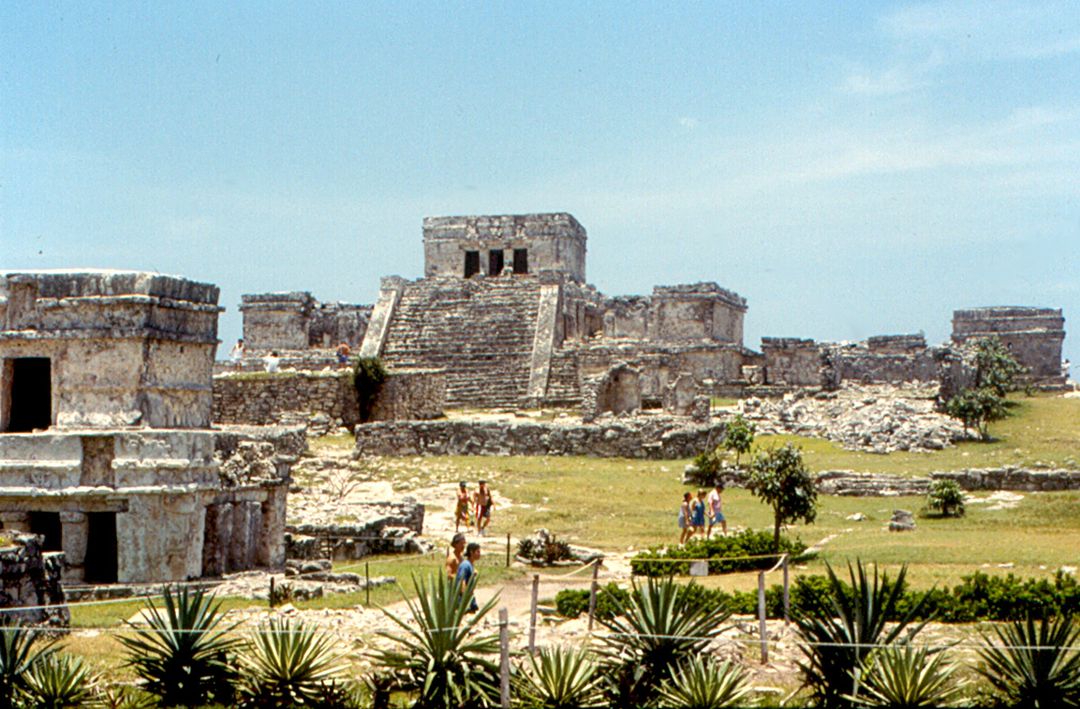
Tulum's origin story gets told two ways, and both are true at once. It is a Maya settlement founded during the Caste War of the 1860s that spent well over a century as a sleepy fishing village and a waypoint for chicle harvesters, its ruined pre-Hispanic port town sitting quietly on the cliff above the water. It is also, since roughly the mid-2010s, one of the most aggressively marketed destinations in the hemisphere — a wellness retreat, a DJ set, a Instagram backdrop, and eventually its own international airport, all compressed into about ten years. Visitors who arrive expecting either the untouched fishing village or the flawless magazine spread will both be a little disappointed, because the real place is the friction between the two.
That friction is not a reason to skip it. It is the most useful thing to understand before you land. Tulum is really three towns wearing one name: the archaeological site on the cliff, open by day and closed by dusk; the Zona Hotelera, a nine-kilometre sand road of beach clubs and boutique cabañas running south from the ruins with the Caribbean on one side and, increasingly, the Sian Ka'an biosphere reserve's mangroves on the other; and El Centro, the actual town a couple of kilometres inland, where the taco stands, the pharmacies, and the people who work the hotel zone's shifts actually live. Almost every complaint about Tulum being overpriced or over-touristed is a complaint about the hotel zone specifically. Almost every good local meal is in the centro.
What follows treats those two halves as genuinely different destinations that happen to share an address, plus the day trips that made this stretch of coast worth the airfare in the first place — the ruins, the cenotes, and Sian Ka'an. Book the wrong half of town for what you actually want to do and you will spend the trip in a taxi. Book the right one and Tulum does what it promised in the first place, which is a stretch of extraordinary Caribbean coastline with genuinely ancient ruins bolted onto one end of it.
The caseWhy Tulum still earns the trip
Start with the thing that predates the marketing: this is the only major Maya archaeological site built directly on the Caribbean coast, a walled port town perched on a limestone bluff with the Castillo looking straight out over water the colour of a paint chip. Nothing else on the Yucatán Peninsula combines ruins and beach in the same frame, and no photograph quite prepares you for how strange and good that combination looks in person, even with a rope line and a few hundred other visitors sharing the view.
The second argument is the cenote density of the surrounding jungle, which is genuinely without rival. Within forty-five minutes of town sit dozens of limestone sinkholes, cave systems, and half-collapsed caverns filled with startlingly clear fresh water, some open to the sky and ringed with tree roots, some fully underground and reached by ladder into darkness lit only by a shaft of daylight. Divers travel here specifically for the Dos Ojos and Sac Actun cave systems, among the longest underwater cave networks ever mapped, but you do not need a certification to get the best version of this — a mask, snorkel and a willingness to get in cold water covers most of it.
Third, and more contentious: the beach itself, when it is having a good week, is genuinely one of the best in Mexico — pale, fine sand and warm, clear water, backed by a run of design-forward hotels that, whatever you think of their prices, know how to build a beach club. The catch, covered honestly below, is that Tulum's beach quality now varies by the calendar in a way most visitors do not find out about until they are standing on it.
The calendarWhen to go, and the sargassum problem
The dry season, roughly November through April, is the reliable window: lower humidity, less rain, and — critically — this is also the stretch when sargassum seaweed is least likely to be piling up on the beach. December through March is peak season and peak pricing for a reason; it is also genuinely the most pleasant weather of the year, with daytime highs in the high twenties Celsius and low humidity by coastal Yucatán standards.
The sargassum issue deserves more attention than most guides give it. Since around 2015, warming Atlantic waters and shifting currents have driven massive seasonal blooms of Sargassum seaweed onto beaches across the Mexican Caribbean, and Tulum is squarely in the affected zone. The bloom is worst roughly May through October, peaking in the hottest summer months, when a beach that looked like a screensaver in January can be a brown, rotting mat requiring a bulldozer and a bad smell by August. Hotels rake constantly and some stretches are cleaner than others thanks to offshore barriers, but if a pristine, sargassum-free beach is the entire point of the trip, treat November to April as close to a requirement rather than a preference.
Rainy season, June through October, brings short, heavy afternoon downpours rather than all-day washouts, plus the year's highest humidity and the tail end of hurricane season risk (worst August to October). It is also the cheapest and least crowded stretch of the year, and cenotes and inland activities are entirely unaffected by either the rain or the seaweed — a reasonable trade if you are visiting primarily for the ruins and cenotes rather than to lie on sand.
LogisticsGetting around: hotel zone, centro, and everywhere else
Since December 2023, Tulum has had its own international airport (TQO), a genuine change from the previous decade of a two-hour transfer from Cancún. Direct flights now connect Tulum to a growing list of US and Mexican cities, and the airport sits closer to town than Cancún's does to the hotel zone there — expect a twenty- to thirty-minute transfer rather than two hours. The Tren Maya, the new intercity railway, also stops at a Tulum station and connects north to Cancún and Playa del Carmen and south toward Chichén Itzá and beyond, though schedules and reliability are still settling in as a genuinely new service.
Within Tulum, the hotel zone's defining fact is that it is a single nine-kilometre sand-and-gravel road with the beach on one side, and it was simply not built for the volume of traffic it now carries. Renting a bike is the single best transport decision most visitors make: the road is flat, mostly shaded, and dotted with bike lanes in sections, and a bicycle beats a car or taxi for anything under about four kilometres, which is most of it. For longer hops, or after dark when the sand road has essentially no lighting, a taxi or the app-based ride options operating locally are worth the fare over cycling.
Getting between the hotel zone and El Centro is a fixed decision every visitor has to make daily, since they are roughly two kilometres apart with nothing continuous in between. Taxis are metered by fixed zone rather than meter-run and add up faster than the distance suggests; renting a scooter or small car for the length of the stay is often cheaper than a week of hotel-zone taxis if you plan to move between the two halves of town regularly. Colectivos — shared vans running along the highway — are the cheap, slightly chaotic option for reaching the ruins, Akumal, or Playa del Carmen without a rental.
The tableHow Tulum actually eats
The hotel zone's restaurant scene is genuinely excellent and genuinely expensive — this is where you find the barefoot-luxe dinners with candlelit tables set directly in the sand, the wellness-forward menus built around ceviche and mezcal, and tasting menus that would not look out of place in Mexico City or Tulum's design magazines. It is also where a simple breakfast can run the same as a full dinner in the centro, and where the crowd the marketing built is most visible. Book ahead for anywhere with a name; the good tables sell out even in low season now.
El Centro is the corrective, and it is where most of the actual value and a fair amount of the actual flavour live. The taquerías along Avenida Tulum and the surrounding grid serve the cochinita pibil — pork slow-roasted in banana leaf with achiote — that defines Yucatecan food, alongside panuchos, salbutes, and fresh fish a few kilometres from where it was caught. Prices here are a fraction of the beach road, the rooms are plastic chairs on a sidewalk rather than a curated interior, and the food is frequently better for it. The mercado and the smaller family-run comedores are where the town actually eats lunch.
A practical note that catches first-time visitors: Tulum, like the rest of Quintana Roo, runs on both pesos and US dollars in tourist-facing businesses, but the exchange rate offered at the register is reliably worse than the bank rate — pay in pesos wherever you can. And book any hotel-zone dinner with a view or a beach table specifically for sunset if that is the point of going; the same restaurant at 1pm is a different, far less atmospheric experience.
The mapZona Hotelera versus El Centro versus Aldea Zamá
The Zona Hotelera is the postcard — a single road running roughly nine kilometres south from the ruins, lined with the boutique cabañas, beach clubs and wellness retreats that built Tulum's global reputation, most in a shared aesthetic of raw concrete, thatched palapa roofs and driftwood furniture. It thins out and gets quieter, and arguably more beautiful, the further south you go toward the Sian Ka'an boundary, where the road turns rougher and the crowds drop off. It is also the most expensive, least walkable-to-anything-else, and most exposed to whatever the beach is doing that week.
El Centro is unglamorous by design and is where the actual town of Tulum lives, works, and eats — a standard Mexican grid of taquerías, pharmacies, mechanics, and the bus station, running along and around Avenida Tulum. It has almost none of the hotel zone's polish and almost all of its affordability, and staying here means every meal, errand and night out is walkable or a short taxi, at the cost of needing to travel to reach the beach itself.
Aldea Zamá, a newer development between the two, has emerged as the compromise: a planned neighbourhood of mid-rise condos, coworking cafés and a more contemporary restaurant scene, positioned to split the difference between beach access and centro affordability without being quite either. It is the neighbourhood to know about if the binary choice between the other two doesn't suit the trip — closer to the beach road than the old town centre, calmer and less expensive than the Zona Hotelera itself.
Field intelligencePractical intelligence
The ruins close relatively early — generally mid-afternoon — and get seriously hot and crowded from mid-morning once the tour buses from Cancún and Playa del Carmen arrive. Go at opening, in the first hour, both for the light on the Castillo and to see it before several hundred other people are in every photograph. There is a separate, worthwhile beach directly below the ruins accessible from within the archaeological site — one of the few free, uncrowded stretches of sand left in the area, missed by most visitors who come only for the ruins themselves.
Cenote etiquette matters and is enforced: most sites require you to shower before entering and prohibit standard sunscreen, since chemical filters damage the fragile cave ecosystems: bring reef-safe, mineral-based sunscreen or skip it entirely for the swim. Popular cenotes like Gran Cenote and Dos Ojos get genuinely crowded by mid-morning in high season; arriving at opening or visiting one of the less-publicised cenotes further from the highway both solve this.
Sian Ka'an, the UNESCO biosphere reserve stretching south of town, requires a licensed guide to enter properly and is worth the cost — a half-day boat tour through mangrove channels and lagoons, past dolphins, crocodiles and hundreds of bird species, is a genuinely different register of experience from the beach road immediately to its north. Book through a reputable, community-based operator rather than a hotel-zone tout; the reserve's cooperatives reinvest tour revenue into conservation in a way that matters for how long any of this lasts.
On money and safety: Tulum's tourist-facing economy runs comfortably in both pesos and dollars, but carry pesos for the centro's taquerías and markets, where dollar pricing is unusual and less favourable. Petty theft from beach bags and parked bikes is the realistic risk rather than anything more serious; treat valuables the way you would on any beach anywhere. And do book beach clubs and boutique hotels well ahead for December through March — the good ones sell out weeks in advance, not days.
Field notesWhat to see & do
-
Tulum Archaeological Site
The only major Maya site built directly on the Caribbean coastline — a walled 13th-century port town on a limestone cliff, with the Castillo looking straight out over turquoise water.
On the groundArrive at opening, before the tour buses from Cancún and Playa del Carmen fill the site by mid-morning, and bring swimwear for the free beach accessible from within the grounds.
-
Gran Cenote
One of the most accessible and photogenic cenotes near town, a half-open, half-cavern pool with clear water, lily pads, turtles and small stalactite chambers you can swim directly into.
On the groundCome right at opening on a weekday; by 11am in high season the parking lot and the water both fill up fast.
-
Sian Ka'an Biosphere Reserve
A UNESCO World Heritage wilderness of mangrove channels, lagoons and barrier reef stretching south of town, reachable only with a licensed guide and best experienced by boat.
On the groundBook a half-day tour with a community-based cooperative rather than a hotel-zone reseller; the difference in both experience and where your money goes is real.
-
Dos Ojos Cenote
Part of one of the longest mapped underwater cave systems on earth, with two connected cavern pools of exceptionally clear water — a snorkelling highlight and a serious draw for certified cave divers.
On the groundNon-divers can still snorkel the two main cavern pools without a guide fee anywhere near what the cave-diving tours cost.
-
Zona Hotelera beach road
The nine-kilometre sand road lined with the beach clubs and boutique cabañas that built Tulum's reputation, quieter and more beautiful the further south you ride toward the Sian Ka'an boundary.
On the groundRent a bike rather than relying on taxis; the road is flat, largely shaded, and simply faster than waiting for a ride over short distances.
-
El Centro's taquerías and mercado
The unglamorous grid of the actual town, where cochinita pibil, panuchos and fresh Yucatecan seafood cost a fraction of the beach road and are frequently better for it.
On the groundEat lunch here even if you're staying in the hotel zone — it's the single easiest way to cut a Tulum food budget without cutting quality.
-
Casa Cenote
An open-air cenote connected to the sea by an underground channel, brackish and mixing fresh and saltwater, with mangroves along its banks and a laid-back restaurant on-site.
On the groundSnorkel at the mouth where fresh and salt water visibly meet and shimmer — a genuinely strange effect called a halocline.
-
Muyil ruins and lagoon canal
A quieter, far less crowded Maya site south toward Sian Ka'an, paired with a floating tour along an ancient canal used by Maya traders, drifting gently through mangrove-lined water.
On the groundCombine it with a Sian Ka'an half-day trip — Muyil sits right at the reserve's edge and the two are usually sold as one tour.
On the groundWhere things are
Map data © OpenStreetMap contributors.
Where to stayBase yourself well
Zona Hotelera (north)
Best for first-timers who want beach clubs and nightlife within walking or biking distanceClosest to the ruins and the main road into town, with the highest concentration of well-known beach clubs and restaurants — also the busiest and most built-up stretch of the beach road.
A boutique beachfront cabaña near the ruins end of the strip
Being closest to the archaeological site means the shortest transfer for an early-morning ruins visit, at the cost of the busiest section of beach.
$$$Zona Hotelera (south, toward Sian Ka'an)
Best for travellers prioritising a quiet beach over walkable nightlifeThe quieter, more design-forward end of the beach road, where the pavement turns to rougher sand track and the crowds thin out considerably the closer you get to the reserve boundary.
A design-led eco-cabaña toward the reserve boundary
Expect a longer, bumpier ride from the main road in exchange for genuinely quieter sand and a closer jump-off point for Sian Ka'an tours.
$$$$El Centro
Best for budget-conscious travellers and anyone prioritising food and walkability over beachfrontThe real town — a standard Mexican grid of taquerías, shops and the bus station, with none of the beach road's polish and a fraction of its prices.
A simple guesthouse near Avenida Tulum
Staying here means renting transport or taking regular taxis to reach the beach, but every meal and errand becomes walkable.
$Aldea Zamá
Best for longer stays and remote workers who want a middle groundA newer planned neighbourhood between the beach road and El Centro, with mid-rise condos, coworking cafés and a growing restaurant scene that splits the difference between the two.
A modern condo-hotel in Aldea Zamá
Closer to the beach road than the old town centre and considerably calmer and cheaper than staying directly on the sand.
$$Affiliate notePostcardRoute is reader-supported. Some links to Booking.com (stays, flights, car hire, tickets and tours, airport transfers) are affiliate links, tracked through CJ Affiliate: if you book through them we may earn a small commission at no extra cost to you. We only recommend places we would send a friend.
Book the restEverything else for the trip
Stay sorted? These open Booking.com for the other legs of the journey.
-
Tours & tickets
Things to do in Tulum
Skip-the-line tickets, tours and day trips.
Browse activities -
Wheels
Car hire in Tulum
Compare pick-up points and rental companies.
Compare cars -
Air
Flights
Search fares, then come back for the neighbourhood advice.
Search flights -
Ground
Airport transfers
Book a taxi or private transfer before you land.
Book a transfer
Affiliate noteThese four links are affiliate links too: if you book through them we may earn a small commission at no extra cost to you.
Beyond the cityWorthwhile day trips
- Cobá ruins
An hour inland, a sprawling, largely unrestored Maya city swallowed by jungle, with Nohoch Mul, the tallest climbable pyramid on the peninsula, still open to visitors who want the view from the top.
- Akumal
A half-hour up the coast, best known for its bay where sea turtles feed on seagrass close enough to snorkel alongside them with a required local guide.
- Bacalar
Two and a half hours south, a freshwater lagoon nicknamed the Lake of Seven Colours for its gradient of blues, quieter and far less developed than the Tulum coast.
- Chichén Itzá
Around two hours inland by car or the Tren Maya, one of the New Seven Wonders of the World and considerably larger and more monumental than Tulum's own ruins, best visited at opening before the day-trip crowds from across the peninsula converge.
Before you goCommon questions
- Should I stay in the Tulum hotel zone or in town?
- The hotel zone (Zona Hotelera) puts you on the beach with walkable beach clubs and restaurants, at hotel-zone prices. El Centro, the actual town, is a fraction of the cost and has the best, cheapest food, but requires a taxi or rental to reach the beach. Aldea Zamá splits the difference for longer stays.
- What is sargassum and will it ruin my Tulum beach trip?
- Sargassum is a brown seaweed that has bloomed heavily along the Mexican Caribbean since around 2015, washing up worst from roughly May through October and peaking in summer. November through April is the most reliable window for a clean, postcard beach; visiting outside that window for the ruins and cenotes still works well, since neither is affected by seaweed.
- Do I need a car in Tulum?
- Not necessarily. A rented bicycle covers the hotel zone's nine-kilometre beach road well, and colectivos or taxis handle trips to the ruins, cenotes and nearby towns. A scooter or small car rental pays off if you plan to move between the hotel zone and El Centro daily, since taxis between the two add up fast.
- How do I get to Tulum now that there's a new airport?
- Tulum International Airport (TQO) opened in December 2023 and has a growing list of direct domestic and international flights, cutting the transfer from roughly two hours (via Cancún) to twenty or thirty minutes. The Tren Maya railway also connects Tulum to Cancún, Playa del Carmen and points south and west.
- What are the best cenotes near Tulum?
- Gran Cenote and Dos Ojos are the two best-known and most accessible for both snorkelling and diving, with Dos Ojos connected to one of the longest mapped underwater cave systems in the world. Casa Cenote offers a different, brackish experience where fresh and salt water visibly meet.
- How many days do you need in Tulum?
- Four days covers the essentials well: a morning at the ruins, a day split between two or three cenotes, a half-day in Sian Ka'an, and time to actually use the beach. Add a day for Cobá or Chichén Itzá, or a night in Bacalar, if your schedule allows.