
Uruguay · Montevideo Department
Montevideo, at its own pace
South America's quietest capital doesn't perform for visitors. It just goes on being a genuinely good place to live, and lets you tag along for a few days.
Dispatch from the capital that never quite raised its voice · 34.90° S · 56.16° W
Plan this trip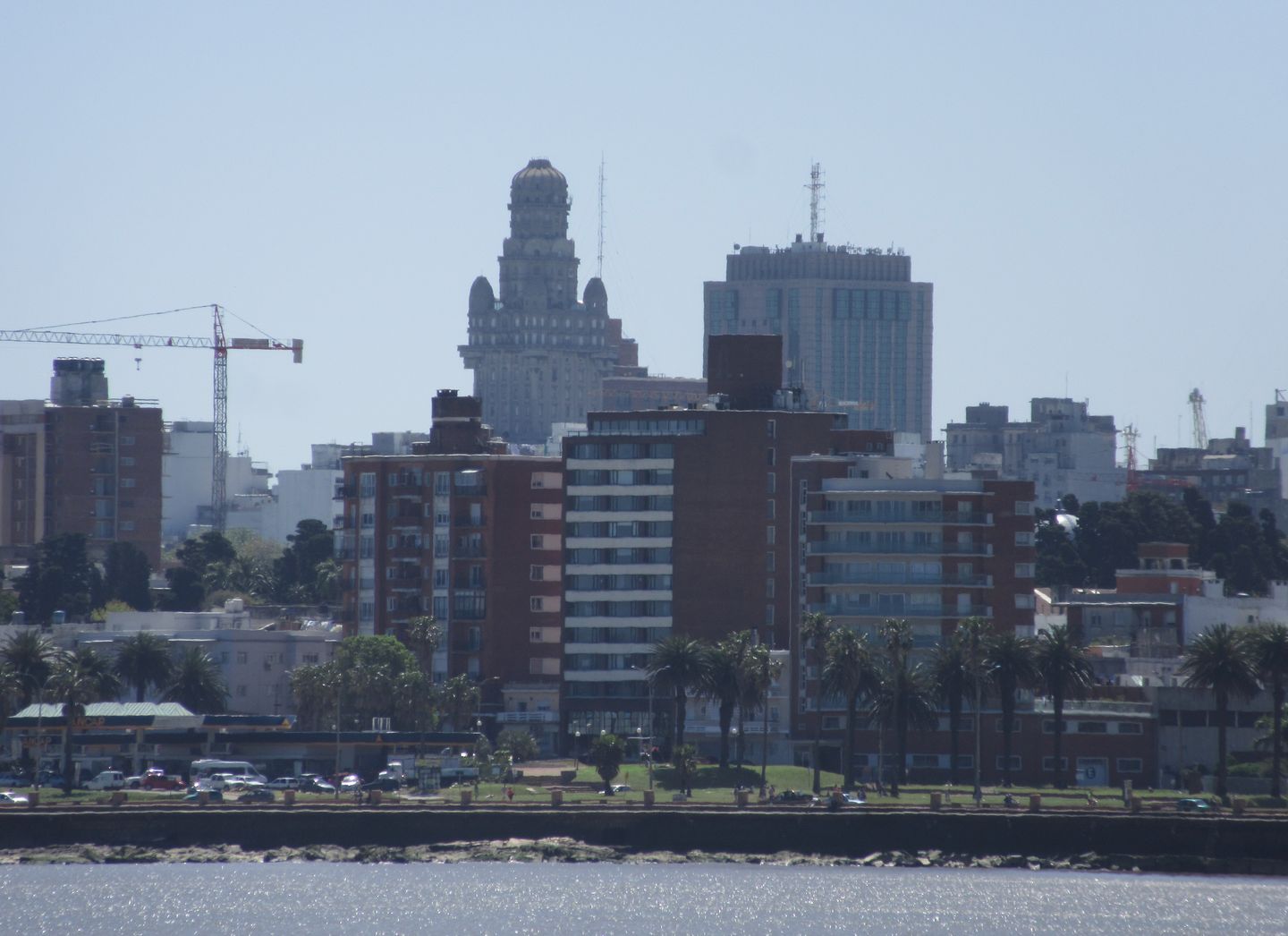
Montevideo has an image problem it has never bothered to fix: ask most travellers what they know about it and the honest answer is nothing, or perhaps that it exists somewhere near Buenos Aires. That obscurity is the city's whole appeal. This is a capital of a little over a million and a half people that has spent decades quietly getting the fundamentals right — stable institutions, a strong social safety net, one of the lowest crime rates in Latin America, a genuinely walkable centre — without ever building the marketing machine to tell anyone about it.
What you get instead is a city that behaves like itself rather than like a destination. The 1920s and 30s left behind a downtown of handsome, slightly crumbling Art Deco and Beaux-Arts buildings that nobody has bothered to over-restore into a theme park. The Rambla, a coastal promenade that runs unbroken for something like twenty-two kilometres along the Río de la Plata, is not a tourist attraction so much as the city's actual living room, where half of Montevideo goes to walk the dog, drink mate from a thermos tucked under one arm, and watch the river that is so wide here it looks and smells like the sea.
This dispatch treats Montevideo as what it is: a genuinely liveable capital that rewards slow days over checklist tourism. There is no equivalent here of the Eiffel Tower or the Colosseum, and that is rather the point — the pleasures are the market stall, the parrillada smoke drifting off a corner grill at lunchtime, and a sunset over the river that the locals have stopped photographing because they see it constantly and it is still, every time, worth stopping for.
The caseWhy Montevideo is worth the detour
Most visitors reach Montevideo as a day trip from Buenos Aires, a quick ferry hop across the Río de la Plata, and that is a genuine shame, because a single afternoon shows you almost nothing of what makes the place worthwhile. Stay three or four nights and a different city reveals itself: one where the pace of life has not been optimised for throughput, where a two-hour lunch is normal rather than indulgent, and where the biggest tourist crowd you will encounter all week is a Sunday morning at the Feria de Tristán Narvaja market.
The city's real draw is atmospheric rather than monumental. Ciudad Vieja's grid of narrow colonial-era streets holds some of the most photogenic urban decay in South America — peeling façades, wrought-iron balconies, tango bars that have not redecorated since the 1960s — sitting a few blocks from a genuinely serious contemporary art and design scene. Add a coastline that locals actually use rather than merely admire, some of the best beef anywhere on the continent, and a national temperament so understated it borders on self-effacing, and Montevideo earns its keep as more than a Buenos Aires afterthought.
The calendarWhen to go
Montevideo sits in the Southern Hemisphere, so its seasons run opposite to Europe and North America. The sweet spot is spring through early autumn — October through April — when the Rambla fills with joggers and mate drinkers and the beaches along Pocitos and Malvín are actually swimmable. December through February is Uruguayan high summer: hot, occasionally humid, and the moment when half the city seems to decamp east to Punta del Este, leaving Montevideo itself pleasantly under-visited even in peak season.
March brings the Semana de la Cerveza and a general return of the university crowd, while late January and early February is Carnival season — Uruguay's version runs longer than Brazil's, over forty days by some counts, built around candombe drumming and the murga theatre troupes rather than samba, and it is genuinely one of the more interesting Carnival traditions in South America if your dates line up. Winter, June through August, is mild by northern standards but grey and drizzly, and the Rambla loses most of its charm when the wind comes off the river cold. Aim for October–November or February–April if you want good weather without the thickest summer crowds.
LogisticsGetting around
Montevideo has no metro and no light rail — the entire city runs on buses and your own two feet, and that turns out to be enough for a visitor who bases themselves sensibly. Ciudad Vieja and the adjacent Centro are compact and genuinely walkable, and the Rambla itself is the best possible spine for orienting yourself: walk or cycle along it and you will pass through, in order, most of the neighbourhoods worth knowing.
Buses (ómnibus) are cheap, extensive, and confusing to a first-time visitor since routes are not well signed for outsiders; a rideshare app is the practical default for anything the Rambla walk does not cover, and fares from the airport or between neighbourhoods rarely amount to much. STM, the city's official transit app, does exist for bus routing if you want to commit to public transport properly. Renting a bike for a Rambla ride is one of the better half-days available — several stretches have dedicated cycle lanes, and the flat coastal route means you can cover a genuinely long distance without much effort. Taxis are metered and reasonably priced but less common on the street than rideshare pickups.
The tableHow Montevideo actually eats
Uruguay eats more beef per capita than almost anywhere on earth, and Montevideo is where that fact becomes a genuine culinary identity rather than a statistic. The parrilla — the wood or charcoal grill — is the centre of the city's food culture, and the Mercado del Puerto, a covered 19th-century ironwork market by the old port, is the single best place to understand why: a dozen grill stalls fill it with smoke from midday onward, cooking asado, chorizo, morcilla and provoleta side by side, and the right move on a first visit is simply to walk the aisle, see what smells best, and sit at whichever counter has locals already eating.
Beyond the grill, chivito — a towering steak sandwich piled with ham, cheese, egg, lettuce, tomato and olives — is the unofficial national dish and worth seeking out at a proper fuente de soda rather than a tourist-facing version. Mate, the bitter caffeinated infusion sipped through a metal straw from a shared gourd, is less a beverage than a national identity marker; you will see it carried everywhere, thermos tucked under one arm, and while it is not really a restaurant order, understanding it explains half of what you see on the street. Wine deserves attention too: Uruguay's Tannat, adopted from southwestern France and now treated as the country's signature red, pairs unsurprisingly well with everything coming off the grill. Dinner runs late, rarely starting before nine, and reservations matter at anywhere well regarded.
The mapNeighbourhoods to know
Ciudad Vieja, the old town on the peninsula at the city's western tip, is the historic core — cobbled colonial streets, the Mercado del Puerto, Plaza Independencia and the Palacio Salvo, plus a genuine gallery and design scene squeezed into restored 19th-century buildings. It is compact, atmospheric, and increasingly gentrified, with excellent bars but noticeably quiet after dark on some blocks, worth knowing before you commit to staying there.
Centro sits immediately east and functions as the modern civic and commercial heart, anchored by the 18 de Julio avenue that runs the length of downtown. Pocitos, further along the coast, is Montevideo's most polished residential neighbourhood: a genuine city beach, Art Deco apartment towers, and the calmest, most walkable stretch of Rambla in the city, popular with longer-stay visitors and families. For something looser and more bohemian, Punta Carretas and the areas around it blend shopping and beach access with a younger, more relaxed energy, while further east again, Malvín and Buceo trade polish for a more local, lived-in beach-suburb feel that few visitors bother to reach — which is rather the point if you have already done the postcard version of the coast.
Field intelligencePractical intelligence
Uruguay uses the Uruguayan peso, and while card payments are widely accepted in the centre and Pocitos, small kiosks and market stalls often prefer cash — keep some peso notes on hand for the Mercado del Puerto and street markets. Tipping around ten percent is customary at sit-down restaurants and appreciated but not obligatory; many bills already include a small cubierto or service charge, worth checking before adding more.
Montevideo is widely regarded as one of the safer capitals in Latin America, and the standard precautions that apply to any city — mind your phone on outdoor café tables, keep bags zipped on buses — cover most of what you need to know. The Feria de Tristán Narvaja, the sprawling Sunday street market in Cordón, is worth building a morning around if your dates allow it; it runs roughly from dawn until early afternoon and shuts down fast once the vendors pack up. Spanish is essential — English is far less widely spoken here than in Buenos Aires — but Uruguayans are famously unhurried and patient with visitors making the effort. And do not expect a Buenos Aires-style late-night bar scene everywhere: outside a handful of neighbourhoods, Montevideo's nightlife runs quieter and finishes earlier than its more famous neighbour across the river.
Field notesWhat to see & do
-
Ciudad Vieja
The old town's grid of colonial and Art Deco streets, running from Plaza Independencia to the tip of the peninsula, dense with galleries, tango bars and the Mercado del Puerto.
On the groundWalk it in daylight for the architecture, but come back at dusk for the light over the port.
-
Mercado del Puerto
A cavernous 19th-century ironwork market given over almost entirely to parrilla grill stalls, thick with smoke and the smell of charcoal from midday onward.
On the groundArrive hungry around 1pm on a weekend, when it is loudest, smokiest and at its best.
-
Rambla de Montevideo
A coastal promenade that runs some twenty-two kilometres along the Río de la Plata, the city's genuine social spine rather than a tourist walkway.
On the groundRent a bike for at least an hour — the flat coastal route covers far more ground than walking.
-
Palacio Salvo
A towering, eccentric 1920s Art Deco landmark on Plaza Independencia, once the tallest building in South America and still the city's most photographed silhouette.
On the groundBest appreciated from across the plaza or from a rooftop bar elsewhere in Ciudad Vieja — the interior is mostly private apartments.
-
Plaza Independencia
The formal hinge between Ciudad Vieja and Centro, anchored by a mausoleum to national hero José Artigas beneath an equestrian statue.
On the groundThe mausoleum beneath the statue is free to enter and often overlooked — worth the five minutes.
-
Feria de Tristán Narvaja
A sprawling Sunday-only street market in Cordón selling everything from antiques and books to livestock and fresh produce across dozens of blocks.
On the groundGo early — by 1pm the best stalls have sold out and vendors are already packing up.
-
Pocitos Beach
The city's most polished urban beach, backed by Art Deco apartment towers and the calmest, most walkable stretch of Rambla in Montevideo.
On the groundLate afternoon is best for a swim once the midday sun softens and the promenade fills up.
-
Teatro Solís
Uruguay's grand 19th-century opera house, restored to full splendour and still the anchor of the country's performing arts calendar.
On the groundEven without a show, the free guided tours (offered in Spanish and English) are worth booking ahead.
On the groundWhere things are
Map data © OpenStreetMap contributors.
Where to stayBase yourself well
Ciudad Vieja
Best for history and first-timers who want to walk everywhereThe historic peninsula core — cobbled colonial streets, galleries and tango bars, walking distance from the Mercado del Puerto and Plaza Independencia. Atmospheric by day, noticeably quieter after dark on some blocks.
A restored boutique hotel in a converted colonial building
Several old merchant houses in the old town have been converted into small design-led hotels with genuine period character.
€€€A budget-friendly guesthouse near Plaza Matriz
Simple, central, and steps from the cathedral and the old town's best cafés.
€Centro
Best for a central base with easy access to transportThe modern civic and commercial spine along 18 de Julio, well connected by bus to every other neighbourhood and a short walk from Ciudad Vieja.
A mid-range business hotel near Plaza Fabini
Reliable, central, and typically the best value-for-location trade-off in the city.
€€Pocitos
Best for beach access and a quieter, residential paceMontevideo's most polished residential neighbourhood, with a genuine city beach, Art Deco towers and the calmest stretch of Rambla — a favourite for longer stays and families.
A beachfront apartment tower with Rambla views
Short-term rentals in Pocitos towers are plentiful and often the best value per square metre in the city.
€€A small hotel a block back from the Rambla
Set back one street for a quieter night's sleep while keeping the beach a two-minute walk away.
€€Punta Carretas
Best for a laid-back base with easy beach and shopping accessA looser, more residential stretch between Pocitos and Ciudad Vieja, home to the city's best-known shopping mall and a younger, more relaxed energy.
An apartment-style hotel near Punta Carretas Shopping
Good value and a short bus ride from both Ciudad Vieja and Pocitos.
€€Affiliate notePostcardRoute is reader-supported. Some links to accommodation are affiliate links: if you book through them we may earn a small commission at no extra cost to you. We only recommend places we would send a friend.
Beyond the cityWorthwhile day trips
- Colonia del Sacramento
A UNESCO-listed Portuguese colonial old town roughly two and a half hours away by bus or a short ferry-and-drive combination, with cobbled streets, a lighthouse and sunset views across the river.
- Punta del Este
Uruguay's glamorous beach resort peninsula, about two hours east, alternating between high-season glitz and, out of season, a quiet, wind-scoured stretch of Atlantic coast.
- Carrasco
A leafy, low-key seaside suburb near the airport, worth a half-day for its early-20th-century mansions and a genuinely local beach scene away from the centre.
Before you goCommon questions
- How many days do you need in Montevideo?
- Three full days covers the essentials comfortably — Ciudad Vieja, the Mercado del Puerto, a Rambla walk or bike ride, and a beach afternoon in Pocitos — with room to add Colonia del Sacramento as a day trip if you have a fourth.
- Is Montevideo worth visiting as more than a Buenos Aires day trip?
- Yes. The one-day ferry crossing that most visitors do shows you Ciudad Vieja and little else. Staying two or three nights lets you actually use the Rambla, eat properly at the Mercado del Puerto without rushing, and see neighbourhoods like Pocitos that a day trip never reaches.
- Is Montevideo safe?
- It is widely regarded as one of the safer capitals in Latin America, with normal-city precautions — mind your phone in cafés, keep bags zipped on buses — covering most situations. Standard caution after dark in less central areas still applies, as it would anywhere.
- What is the best area to stay in Montevideo?
- Ciudad Vieja for history and walkability, Pocitos for beach access and a calmer residential pace. First-timers who want to walk everywhere tend to prefer Ciudad Vieja; those staying longer or travelling with family often prefer Pocitos.
- What is the best time of year to visit Montevideo?
- October through April, which covers spring, summer and early autumn in the Southern Hemisphere. February through April is a good middle ground — warm enough for the beach and the Rambla, without the thickest summer crowds of December and January.
- Do I need to speak Spanish in Montevideo?
- It helps considerably. English is far less widely spoken here than in Buenos Aires, especially outside hotels and the most touristed corners of Ciudad Vieja, so a basic working Spanish vocabulary makes daily life noticeably easier.