
Spain · Andalusia
Málaga, out of the airport's shadow
For decades this was the city you flew into on your way to somewhere else on the coast. It no longer deserves that treatment — it never really did.
The Costa del Sol's gateway city, finally visited for its own sake · 36.72° N · 4.42° W
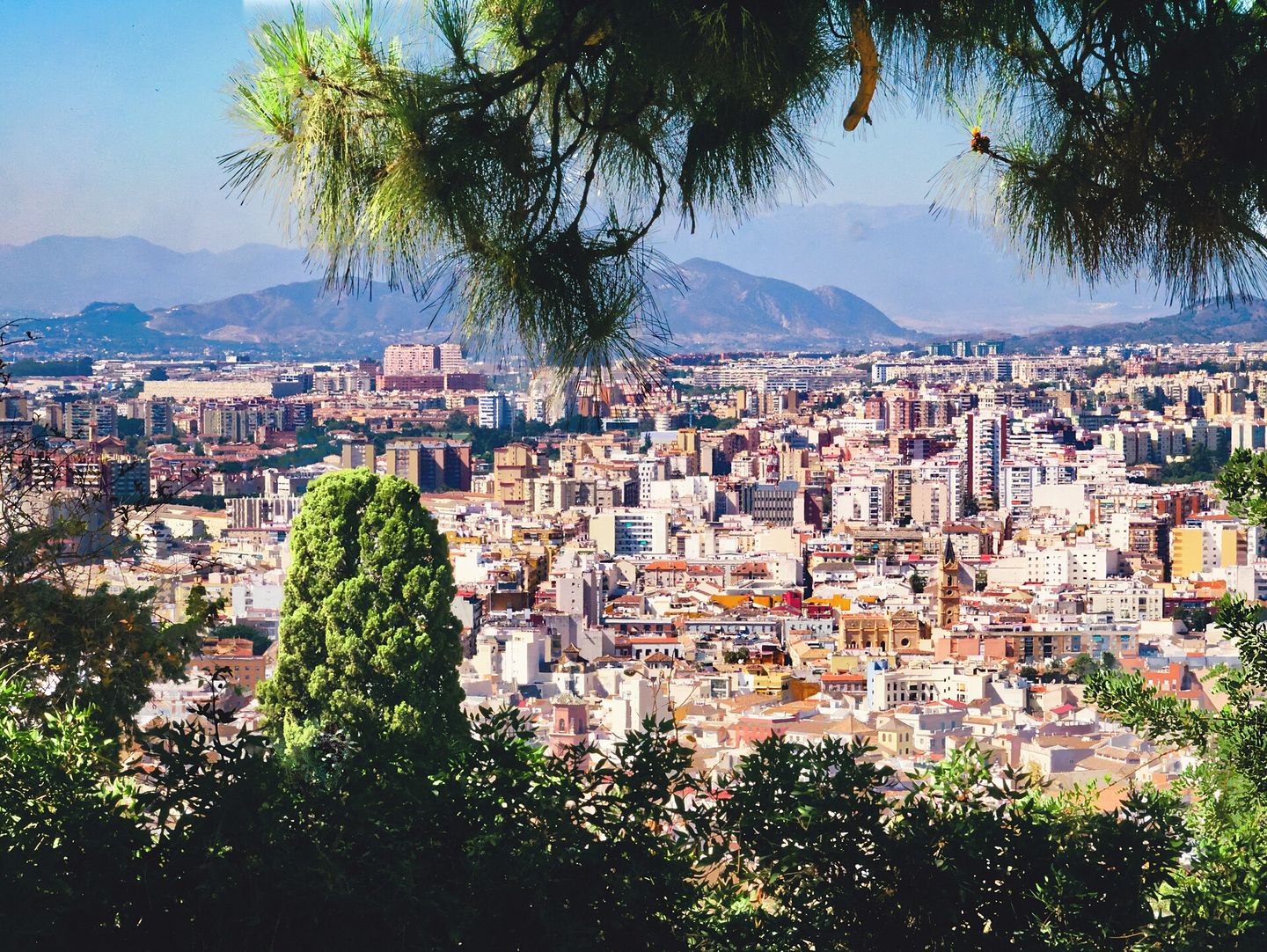
For most of the last fifty years, Málaga's airport has been Europe's side door to the Costa del Sol — the place package-holiday coaches idle outside before grinding west toward Marbella and Torremolinos, or east toward Nerja, without the city beyond the terminal getting so much as a second glance. That reputation has outlived its accuracy by a decade or more. Málaga spent the 2000s and 2010s quietly rebuilding its historic centre, opening a real museum district, and talking Picasso — who was born here and left as a teenager, but never stopped claiming the city as his own — into lending his name to one of its best collections. The coach still idles outside the terminal. Increasingly, more people get off it here.
What makes Málaga worth a stop in its own right rather than a transit point is the density of good things packed into a genuinely walkable centre, wrapped in close to 300 days of sun a year. A Roman theatre sits at the foot of a Moorish fortress, which sits below a 14th-century castle with the best view on the coast. A cathedral everyone calls La Manquita — 'the one-armed lady' — because its second tower was never finished, for reasons involving money sent to fight the American War of Independence instead. A dozen tapas bars where old men in white aprons still cure sardines on skewers over open fires on the beach, exactly as they have for a century. None of this needs a rental car or a day trip. It is all within a twenty-minute walk of the port.
This isn't a guide to the Costa del Sol — that is a different, longer trip, and this site treats it separately. This is a guide to Málaga the city: a long weekend's worth of museums, markets, beaches and genuinely excellent eating, with honest advice on when the heat makes that a bad idea and when it makes the whole place sing.
The caseWhy Málaga earns a stop of its own
Andalusia's big three — Seville, Granada, Córdoba — get the pilgrimage treatment, and deservedly so. Málaga gets treated as scenery on the way to a beach towel, which badly undersells a city that has its own Alcazaba, its own slice of Moorish and Roman layering, and arguably Spain's best concentration of modern art museums outside Madrid and Bilbao. The Centre Pompidou chose Málaga, not anywhere else on the coast, for its only permanent branch outside France. That is not an accident of real-estate pricing; it is a bet on a city that had already started pulling this off.
The other case for Málaga is logistical and nobody admits it is also a good reason: the airport is Andalusia's busiest and best connected, which means you can land here, spend two or three days in the city itself, and still have Granada, Córdoba or even Seville within easy day-trip or onward-train range if you want to extend the loop. Treating Málaga purely as an airport is leaving a genuinely good city unvisited out of habit.
The calendarWhen to go
Spring, specifically April through early June, is the best window — warm enough to swim by May, cool enough at night to actually enjoy a long outdoor dinner, and green hills behind the city that turn brown by July. Autumn, September into October, runs a close second, with the sea at its warmest after a summer of heating up and the worst of the crowds gone.
July and August are genuinely hot — regularly into the high 30s Celsius — and this is also peak Costa del Sol season, so the beaches and the old town fill with both heat and crowds simultaneously. If you come in high summer, structure the day around it: beach or museum in the morning, a long indoor lunch and siesta through the worst of the afternoon heat, back out for the evening, which barely cools but comes alive regardless. Winter is underrated and the one time the Costa del Sol's marketing claim of year-round sun is actually mostly true — expect short days but mild temperatures and a city with its guard down, locals rather than tourists filling the tapas bars.
LogisticsGetting around
The historic centre, the port, and the beaches at La Malagueta are all within a comfortable walk of each other — this is a compact city, and most visitors who stay in or near the centre will barely need transport at all for two or three days. The one climb worth planning for is the Gibralfaro hill above the Alcazaba: either walk up via the zigzagging path through the gardens (steep but shaded in stretches) or take the number 35 bus from the Paseo del Parque, which loops up and saves the legs for the walking inside the fortress itself.
The airport sits about eight kilometres southwest of the centre and is connected by a frequent Cercanías train (line C1) that takes roughly twelve minutes to the main train station, María Zambrano — genuinely one of the best airport-to-city-centre links in Spain, and far simpler than negotiating a taxi rank in high season. From María Zambrano, the centre is a fifteen-minute walk or a short bus ride. If you are using Málaga as a base for day trips, this is also where the high-speed AVE trains to Córdoba, Seville and Madrid depart, making a car genuinely unnecessary unless you plan to explore the wider coast or inland villages independently.
The tableHow Málaga actually eats
Start with espetos — sardines skewered on a cane and grilled over an open wood fire, traditionally in an upturned boat half-buried in sand. This is the one dish you should not substitute for anything else on a first visit, and the chiringuitos (beach shacks) along La Malagueta and Pedregalejo do it best, ideally eaten with your feet still sandy and a cold glass of the local sweet Málaga wine or a dry fino on the side.
The tapas culture here runs on its own local vocabulary worth learning before you sit down: a caña is a small draft beer, a tostada is toasted bread for breakfast with olive oil or tomato, and pescaíto frito — a plate of mixed small fried fish — is the dish to order if espetos aren't on the menu where you've landed. El Pimpi, the city's most famous bodega-bar near the cathedral, is touristy but earns the reputation; go for the atmosphere and the sherry barrels signed by visiting celebrities rather than expecting the best food in the city. For that, wander into the Atarazanas Market, a 19th-century iron-and-glass market hall built around a surviving Moorish gate, where the fish stalls alone justify a morning visit, and several small bars inside serve lunch straight off that morning's catch.
The mapNeighbourhoods to know
The Centro Histórico is the obvious base — narrow pedestrianised streets radiating out from the cathedral and the Picasso Museum, dense with tapas bars, boutique hotels, and the Alcazaba rising directly above. It gets crowded and a little generic in its busiest pedestrian strips, but side streets a block or two off the main drag stay genuinely local.
Soho, south of the centre toward the port, is the city's deliberately engineered arts district — purpose-built street art (including a large-scale mural by Obey/Shepard Fairey), the Centre Pompidou Málaga's cube, and a younger, more design-conscious crowd of bars and galleries. It is the neighbourhood locals point to as proof the city's reinvention is real rather than cosmetic.
Pedregalejo and El Palo, a bus ride or a long beachfront walk east of the centre, are the old fishing-village neighbourhoods where the best espetos chiringuitos cluster, with a quieter, more residential pace than the centre. For a longer stay, basing partly here trades a few minutes' commute into town for genuinely good beach access and considerably better value.
Field intelligencePractical intelligence
Meal times run late by northern European standards — lunch rarely starts before 1:30pm and dinner before 8:30 or 9pm, and many kitchens close entirely in the mid-afternoon, so plan accordingly rather than wandering at 4pm looking for a hot meal. The siesta is a real, if fading, institution: smaller shops in particular still shut for a few hours after lunch and reopen in the early evening.
Málaga's beaches are free and unpatrolled by the bag-watching hassle of some Mediterranean resorts, but take the usual precautions with valuables, particularly at the busiest central stretches of La Malagueta in summer. The city has invested heavily in a bike-share scheme and dedicated lanes if you'd rather cycle than walk the longer beachfront stretches. And buy a combined ticket for the Alcazaba and Gibralfaro castle together — it is cheaper than paying for each separately and the two sights are a continuous walk apart, connected by the old fortress walls.
What to see & do
-
Alcazaba de Málaga
An 11th-century Moorish palace-fortress built directly into the hillside above the Roman theatre, with horseshoe arches, courtyards of orange trees and running water, and genuinely good views over the port.
Tip:Visit in the late afternoon when the stone glows and the worst of the midday heat has passed; buy the combined ticket with Gibralfaro castle above.
-
Castillo de Gibralfaro
The 14th-century hilltop castle above the Alcazaba, connected to it by a long defensive wall, with the single best panoramic view of the city, the port and the coastline in either direction.
Tip:Walk up through the shaded zigzag path through the pine-covered gardens rather than the exposed road, or take bus 35 if the climb doesn't appeal.
-
Museo Picasso Málaga
Housed in a 16th-century palace in the old town, a focused collection donated largely by the artist's own family, tracing his development from early academic work through Cubism without the crowds of Paris or Barcelona.
Tip:Combine it with the separate Casa Natal de Picasso a few streets away, the actual house where he was born, now a small museum of its own.
-
Catedral de Málaga (La Manquita)
A Renaissance cathedral built over two centuries on the site of a former mosque, nicknamed 'the one-armed lady' because its second bell tower was never completed — funds were diverted to the American War of Independence instead.
Tip:Climb to the rooftop terraces on a guided access ticket for a close-up view of the unfinished tower and the city spread out below.
-
Centre Pompidou Málaga
A colourful glass cube on the harbourside housing the only permanent branch of the Paris institution outside France, with a rotating selection from the Pompidou's own collection and a strong contemporary programme.
Tip:Entry is cheap and the building itself, half-sunk below street level with a rainbow glass roof, is worth seeing even on a quick pass through the port.
-
Mercado Central de Atarazanas
A 19th-century iron-and-glass covered market built around a surviving 14th-century Moorish gate, its stalls piled with the morning's fish, jamón and produce, with several bars inside serving lunch straight off the catch.
Tip:Come before 11am on a weekday for the market at its most functional and least crowded, then eat at one of the small bars along the edges.
-
Playa de la Malagueta
The city's main urban beach, a short walk from the cathedral, lined with espeto chiringuitos and busy with locals rather than package tourists for most of the year.
Tip:Walk twenty minutes further east to Pedregalejo if you want a quieter, more village-feeling stretch of sand with arguably better food.
-
Soho Málaga and its street art
The city's purpose-built arts district south of the centre, anchored by a large-scale Obey mural and dense with galleries, design shops and a younger bar scene around the Muelle Uno marina.
Tip:Pick up a street art map at the tourist office, or simply wander — most of the major murals sit within a few compact blocks.
-
Jardín Botánico-Histórico La Concepción
A 19th-century subtropical garden on the city's northern edge, planted by a wealthy couple on their honeymoon estate, now home to bamboo groves, Roman mosaics and a genuinely cool, green escape from the summer heat.
Tip:Go in the morning before the heat builds, and allow at least two hours — it is larger and more varied than it looks from the entrance.
On the groundWhere things are
Map data © OpenStreetMap contributors.
Where to stayBase yourself well
Centro Histórico
Best for first-timers and short staysThe obvious first-timer's base — pedestrianised lanes radiating from the cathedral and Picasso Museum, dense with tapas bars and boutique hotels, with the Alcazaba rising directly above.
A boutique hotel near the cathedral
Look for a small conversion in the lanes just west of the cathedral for the shortest possible walk to everything in the old town.
€€€A simple guesthouse off Calle Granada
This pedestrian street runs straight from the cathedral toward the Alcazaba and keeps even budget options centrally placed.
€€Soho
Best for a more contemporary, nightlife-adjacent baseThe design-and-gallery district south of the centre around the Pompidou cube and Muelle Uno marina — younger, a little edgier, and a five-minute walk from the old town rather than inside it.
A design hotel near Muelle Uno
Puts you between the marina's restaurants and the street-art murals, an easy walk from both the centre and La Malagueta beach.
€€€La Malagueta
Best for beach-focused stays that still want the centre walkableThe beachfront strip just east of the port, trading a little of the old town's density for direct beach access and sea views.
A seafront apartment near La Malagueta
Ten minutes' walk from the cathedral but on the sand, with espeto chiringuitos directly below.
€€Pedregalejo & El Palo
Best for longer stays and better valueThe old fishing villages absorbed into the city's eastern edge, quieter and more residential, with the best concentration of espeto restaurants and noticeably better value than the centre.
A family-run guesthouse in Pedregalejo
A short bus or taxi from the centre, but steps from the beach promenade and some of the city's best seafood.
€Affiliate notePostcardRoute is reader-supported. Some links to Booking.com (stays, flights, car hire, tickets and tours, airport transfers) are affiliate links, tracked through CJ Affiliate: if you book through them we may earn a small commission at no extra cost to you. We only recommend places we would send a friend.
Book the restEverything else for the trip
Stay sorted? These open Booking.com for the other legs of the journey.
-
Tours & tickets
Things to do
Tickets, tours and activities, anywhere.
Browse activities -
Wheels
Car hire
Compare rental companies worldwide.
Compare cars -
Air
Flights
Search fares, then come back for the neighbourhood advice.
Search flights -
Ground
Airport transfers
Book a taxi or private transfer before you land.
Book a transfer
Affiliate noteThese four links are affiliate links too: if you book through them we may earn a small commission at no extra cost to you.
Beyond the cityWorthwhile day trips
- Caminito del Rey
A dramatic cliffside boardwalk through the El Chorro gorge, about an hour inland — book the timed entry well ahead, as it sells out in high season.
- Granada
Just over an hour by road or a comfortable bus, close enough for a (very long) day trip to the Alhambra, though it rewards an overnight stay far more than a rushed turnaround.
- Nerja and the Costa del Sol villages
An hour east along the coast to whitewashed Nerja and its Balcón de Europa viewpoint, with the dramatic Nerja Caves a short drive beyond.
- Ronda
A spectacular hilltop town split by a deep gorge and a centuries-old stone bridge, roughly two hours inland — one of Andalusia's most photographed towns for good reason.
Before you goCommon questions
- Is Málaga worth visiting on its own, or just a stop on the way to the Costa del Sol?
- It is worth a dedicated two or three days of its own. The old town, the Alcazaba and Gibralfaro, the Picasso Museum and the Pompidou cube, and genuinely good beaches are all within a compact, walkable centre — nobody needs to rent a car or book a coastal resort to get a good Málaga trip.
- How many days do you need in Málaga?
- Two full days covers the headline sights at a reasonable pace: the Alcazaba and Gibralfaro on one, the Picasso Museum, cathedral and Atarazanas Market on the other, with evenings for tapas and the beach. Three days lets you add Soho's galleries and a slower beach day without rushing.
- What is the best time of year to visit Málaga?
- April to early June and September to October are the sweet spots — warm enough to enjoy the beach, cool enough at night for long outdoor dinners, and short of the full heat and crowds of July and August. Winter is genuinely mild and a good option if you don't mind shorter days.
- Can you walk everywhere in Málaga, or do you need a car?
- You can walk almost everywhere that matters in the centre, the port and La Malagueta beach. A car becomes useful only if you want to explore the wider Costa del Sol or inland villages independently; for the city itself, and for day trips by train or bus, it is unnecessary.
- What food should you try in Málaga?
- Espetos — sardines grilled on a skewer over an open wood fire, traditionally served at a beachfront chiringuito — are the one dish not to skip. Pescaíto frito (mixed fried small fish) and a visit to the Atarazanas Market for a working lunch are close behind.
- How do you get from Málaga Airport into the city centre?
- The Cercanías C1 train runs frequently from the airport directly to María Zambrano, the main train station, in about twelve minutes — faster and simpler than a taxi in most traffic conditions. From the station, the historic centre is a fifteen-minute walk or a short bus ride.