
Ireland · Leinster
Dublin, at the speed of conversation
It is a small capital that behaves like a village with a world-class chip on its shoulder. Come for the pubs, stay for the talk, leave planning the next trip to Wicklow.
Dispatch from a small capital with a very large mouth · 53.35° N · 6.26° W
Plan this trip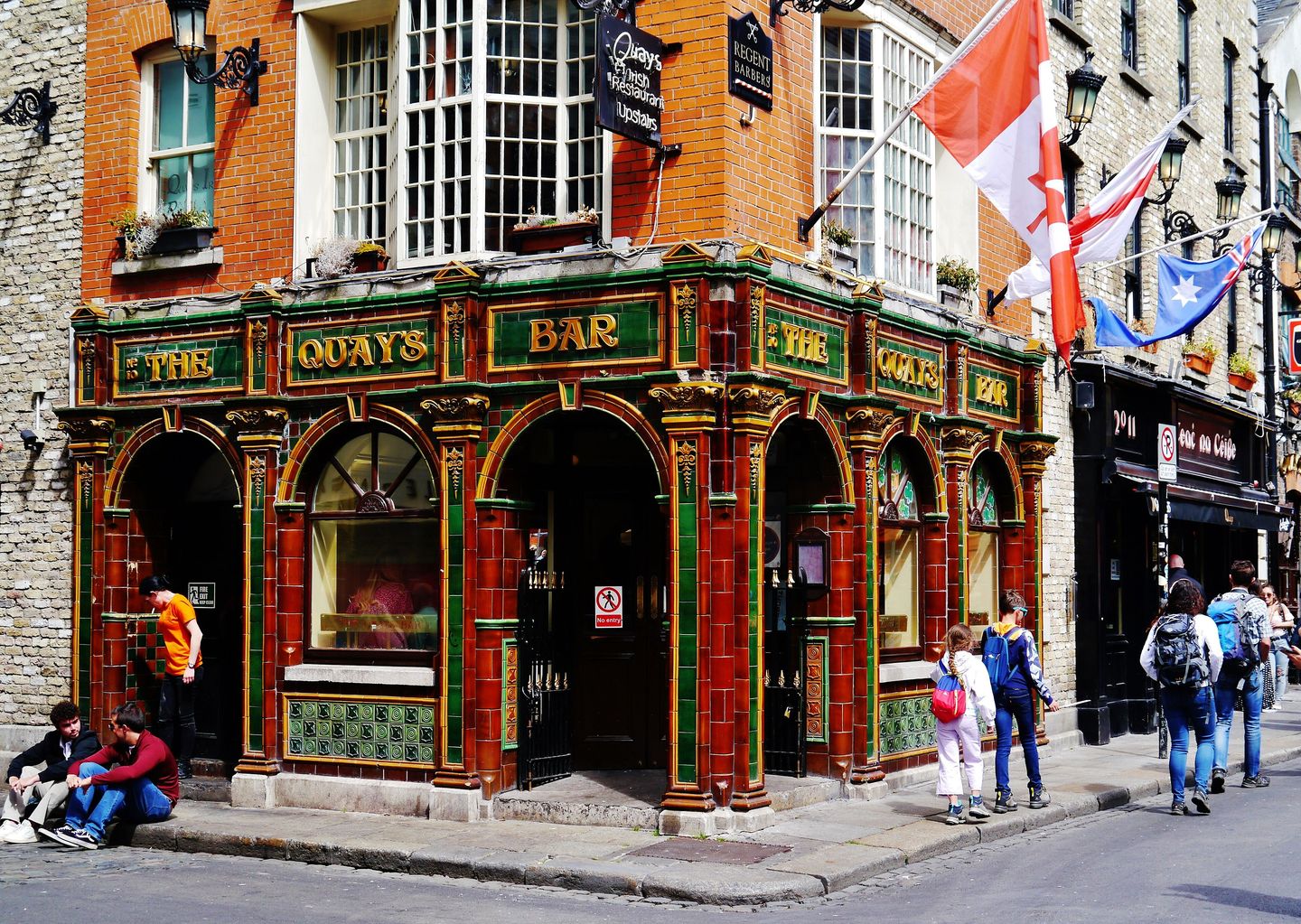
Dublin is a capital city that never quite got the memo about acting like one. It has the embassies, the government buildings, the international tech campuses stacked along the docks — and it still feels, at street level, like a market town where everyone is one introduction away from knowing everyone else. That is not an accident of size, though the city is genuinely compact. It is a cultural setting. Dubliners talk. They talk in queues, on buses, over the bar, to strangers who asked a simple question and got a ten-minute story back. The talk is the point, and a visitor who treats it as noise to get past will miss most of what the city actually offers.
This dispatch is not a Guinness-and-Temple-Bar itinerary, though you will drink the Guinness and you will end up in Temple Bar at least once, because that is simply what happens. What follows is the more useful information: which of Dublin's compact, walkable neighbourhoods actually suit different kinds of trip, when the weather and the crowds make sense together, how the literary reputation is earned rather than marketed, and which day trips out of the city are worth sacrificing a day of Dublin itself for. Georgian Dublin, Viking Dublin and Silicon Docks Dublin all sit within a twenty-minute walk of each other, which is part of what makes the place work as a short break in a way few capitals its size can match.
Come expecting weather that changes its mind four times before lunch, and you will not be disappointed or even mildly surprised. Come expecting a city that rewards slowing down and starting conversations rather than ticking off sights at a sprint, and you will leave already planning the trip back.
The caseWhy Dublin punches above its size
Dublin is not a big city by capital standards — you can walk from the Guinness Storehouse to the Docklands tech campuses in under forty minutes — but it has produced a genuinely disproportionate share of the English language's literature. Three Nobel laureates in literature were born within its boundaries: William Butler Yeats, George Bernard Shaw and Samuel Beckett. James Joyce never won the prize but arguably looms largest of all, having mapped a single Dublin day so precisely in Ulysses that the city still re-enacts it every June 16th on Bloomsday, complete with period costume and boiled kidneys for breakfast. That density of literary ghosts is not marketing gloss; it is baked into the pub conversations, the statue plaques, and the fact that a city this size supports as many independent bookshops as it does.
The other case for Dublin is architectural layering, visible without ever opening a museum door. A Viking and medieval core survives around Christ Church and Dublin Castle; a wave of 18th-century Georgian building gave the city its famous brick squares and brightly painted doors; and in the last two decades, the Docklands filled in with glass headquarters for some of the world's largest tech and pharmaceutical firms, earning the nickname Silicon Docks. Few cities let you walk between a Viking street plan and a Google campus in the time it takes to finish a coffee, and Dublin's genuine appeal is how naturally those eras sit against each other rather than being cordoned off into separate tourist zones.
The calendarWhen to go
Late May through September gives you the best odds of dry, mild weather and the long evening light that makes Dublin's parks and river quays genuinely pleasant to linger in, though 'best odds' in an Irish context still means pack a proper waterproof. July and August are peak season — accommodation prices climb and the Guinness Storehouse and Trinity's Book of Kells exhibit both run long queues — so late May, June or September thin the crowds while keeping the weather workable.
Two dates distort everything and are worth planning around rather than into. St Patrick's Day, March 17th, turns the city centre into a genuinely enormous parade and street party; book accommodation months ahead if you want to be part of it, or avoid the week entirely if you don't. The Six Nations rugby championship, played across February and March, fills the city on Ireland home-match weekends with a similar spike in hotel rates and pub crowds — check the fixture list before booking if rugby isn't the draw. Winter is genuinely underrated for anyone who doesn't mind the short daylight: museums and the Book of Kells queue thin out substantially, log fires appear in the older pubs, and December brings a modest but well-run Christmas market strip along Dame Street and St Stephen's Green.
LogisticsGetting around
Dublin's city centre is small enough to walk almost entirely — the stretch from Trinity College to the Guinness Storehouse is roughly a 25-minute stroll, and most of what a first-time visitor wants sits inside that radius. Cobblestones and narrow medieval lanes around Temple Bar and the Castle mean sturdy shoes matter more than they do in most European capitals.
For longer hops, the Luas light rail runs two lines (Red and Green) through the centre and out to the suburbs, and the DART coastal train connects the city to Howth in the north and Dún Laoghaire and Bray in the south — the DART run along Dublin Bay is a genuinely scenic ride in its own right, not just transit. Dublin Bus covers everything the rail lines don't. A Leap Card, tapped on entry and exit, works across bus, Luas and DART and is meaningfully cheaper than buying single paper tickets; contactless bank cards are increasingly accepted directly on Luas and some buses too. The city's dublinbikes share scheme is well-used by locals and workable for visitors comfortable cycling in traffic, though the one-way street system takes a day to learn. Taxis and ride-hailing apps are reliable but not cheap, and largely unnecessary inside the M50 orbital unless you're carrying luggage to or from the airport.
The tableHow Dublin actually eats and drinks
The pub is Dublin's real civic institution, and it has evolved well past the pint-and-crisps stereotype. Traditional pubs still anchor the culture — expect a slow, deliberately unhurried pour of Guinness poured in two stages, and don't rush the bartender on it — but the same city now supports a genuine modern food scene: seafood-forward small-plates restaurants around the Docklands, a growing handful of Michelin-recognised kitchens, and a proper independent coffee scene that has mostly displaced instant coffee as the daytime default.
Eat what the island does well rather than searching for something else: chowder thick with local seafood, soda bread with good butter, a proper fry (the Irish breakfast, heavier and more sausage-forward than its English cousin), and oysters, which are excellent and underpriced compared to almost anywhere else in Western Europe. The Temple Bar Food Market runs Saturdays in Meeting House Square and is a good low-stakes way to sample several small producers at once. Pub etiquette matters more than menus: rounds are expected among a group, tipping in pubs is not customary the way it is in restaurants, and striking up a conversation with whoever is next to you at the bar is not an intrusion — it is, again, the entire point.
The mapNeighbourhoods to know
Temple Bar, the cobbled quarter between the Liffey and Dame Street, is the version of Dublin most photographs show — brightly painted pub fronts, buskers, stag and hen parties on a Saturday night. It is genuinely fun for one evening and genuinely exhausting for a whole stay; treat it as a destination to visit rather than a base to sleep in unless late-night noise doesn't bother you.
The Georgian Southside, around Merrion Square, St Stephen's Green and Fitzwilliam Square, is Dublin at its most elegant — brick terraces, colourful front doors, and a short walk from Grafton Street's shopping and buskers. It is central, calm at night, and the natural choice for a first visit that wants both comfort and easy access on foot. The Docklands and Grand Canal Dock, east along the river, are the newest layer of the city: glass office towers, waterside restaurants, and a noticeably younger, international crowd working in tech and finance, with good but less atmospheric hotel stock. Across the river, Stoneybatter and Smithfield have become the city's most interesting northside draw — a former working-class quarter turned home to independent coffee roasters, natural wine bars and the Jameson and Teeling whiskey distilleries, all at rents still lower than the southside. Further south, Portobello, Rathmines and Ranelagh form a looser, villagey stretch along the Grand Canal, favoured by locals for their canalside pubs and better-value restaurants a short bus or Luas ride from the centre.
Field intelligencePractical intelligence
Dress in layers and carry a compact waterproof regardless of the season or the forecast — Irish weather changes faster than any app predicts, and a bright morning says nothing reliable about the afternoon. Tipping in restaurants runs 10 to 15 percent for good service where it is not already included on the bill; tipping is not expected at the bar in a pub, though rounding up or telling the bartender to 'have one yourself' is a well-understood and appreciated gesture.
Contactless card and phone payment is accepted almost everywhere, including most pubs and market stalls, so carrying much cash is rarely necessary. Conversation is a genuine social currency here — a friendly comment to a bus driver, a shopkeeper or your neighbour at the bar is normal, not forward, and reciprocating rather than deflecting it is the fastest way to feel like less of a tourist. Sunday trading hours are shorter than weekdays for some shops, though pubs and restaurants run normal hours. And if you only learn one piece of local vocabulary, learn 'craic' — it means something closer to 'good fun and good conversation combined' than any single English word, and asking 'what's the craic?' is simply asking how someone's doing.
Field notesWhat to see & do
-
Trinity College & the Book of Kells
Ireland's oldest university, its cobbled quadrangles a calm break from the surrounding streets, and home to the Old Library's Long Room and the illuminated 9th-century Book of Kells manuscript.
On the groundBook a timed Book of Kells ticket online in advance; walk-up queues in summer routinely run over an hour.
-
Guinness Storehouse
A seven-storey former fermentation plant at St James's Gate turned into Ireland's most visited attraction, tracing the brewing process up to a rooftop bar with a 360-degree view over the city.
On the groundBook the earliest slot of the day; the crowds thicken steadily from late morning and the rooftop Gravity Bar gets standing-room only by afternoon.
-
Kilmainham Gaol
A former prison that held generations of Irish political prisoners, including the leaders of the 1916 Easter Rising who were executed in its stone breaker's yard — one of the most sobering, essential stops in the city.
On the groundTours are guide-led and ticketed in timed groups; book online days ahead, as walk-up slots sell out most days.
-
Dublin Castle
The seat of British rule in Ireland for over 700 years, now a working government complex with state apartments, a Viking excavation in the undercroft, and the Chester Beatty Library in its garden.
On the groundThe State Apartments close for state functions with little notice, so check the day's opening status before making it your centrepiece stop.
-
St Patrick's Cathedral
Ireland's largest cathedral, built on the site associated with St Patrick's own baptisms, and the resting place — and former deanship — of Jonathan Swift, author of Gulliver's Travels.
On the groundThe choir still sings evensong most weekdays in term time; it is free to attend and a genuinely atmospheric way to see the building in use rather than as a museum.
-
Phoenix Park
One of the largest enclosed urban parks in Europe, more than twice the size of New York's Central Park, home to a wild deer herd, the President's residence, and Dublin Zoo.
On the groundRent a bike at the Parkgate Street entrance rather than walking — the park is genuinely vast, and the deer herd tends to graze well away from the main roads.
-
Chester Beatty Library
A small, free, world-class museum of illuminated manuscripts, religious texts and East Asian art assembled by a mining magnate, tucked in the grounds of Dublin Castle and routinely overlooked.
On the groundIt is free to enter and rarely crowded — a good rainy-afternoon alternative when the bigger paid attractions have long queues.
-
Temple Bar
The cobbled riverside quarter of brightly painted pub fronts, buskers and late nights that has become shorthand for Dublin nightlife, for better and for louder.
On the groundCome on a weekday evening rather than a weekend for live trad music without the stag-party crush, and check a pub's door for a genuine session before assuming it's just tourist theatre.
On the groundWhere things are
Map data © OpenStreetMap contributors.
Where to stayBase yourself well
Georgian Southside (Merrion Square & St Stephen's Green)
Best for first-timers and comfortElegant brick terraces, colourful doors and a short walk to Grafton Street's shops and buskers. Central, calm at night, and the natural first-timer's choice.
A Georgian townhouse hotel near Merrion Square
Look for a converted period building on a quiet square side rather than the busier main road for a calmer night's sleep.
€€€A boutique guesthouse off Stephen's Green
Puts you within easy walking distance of Grafton Street, Trinity College and the National Gallery.
€€Temple Bar
Best for nightlife and short staysThe cobbled pub-and-buskers quarter, loud and lively at night and genuinely central. Great for a short, sociable stay; wearing if you value sleep.
A mid-range hotel on a side street off the main Temple Bar strip
Choose a room away from the street-facing side — the noise runs late most nights of the week, not just weekends.
€€Docklands & Grand Canal Dock
Best for modern comfort and a quieter baseGlass towers, waterside restaurants and Dublin's tech and finance crowd. Modern, quieter at night, less atmospheric, and an easy walk or Luas ride from the centre.
A contemporary waterside hotel near Grand Canal Dock
Good value relative to the city centre, with a scenic canal walk into town in about twenty minutes.
€€Stoneybatter & Smithfield
Best for value and a more local feelA former working-class northside quarter turned home to coffee roasters, natural wine bars and the whiskey distilleries. Genuine local energy at lower rates than the southside.
A boutique hotel near Smithfield Square
Close to the Jameson and Teeling distilleries and a fifteen-minute walk from the main sights across the river.
€€Portobello, Rathmines & Ranelagh
Best for repeat visitors and valueA looser, villagey stretch along the Grand Canal favoured by locals, with better-value restaurants and canalside pubs a short bus or Luas ride from the centre.
A canalside guesthouse in Portobello
Trades a short commute into the centre for noticeably lower rates and a neighbourhood that feels lived-in rather than touristed.
€Affiliate notePostcardRoute is reader-supported. Some links to accommodation are affiliate links: if you book through them we may earn a small commission at no extra cost to you. We only recommend places we would send a friend.
Beyond the cityWorthwhile day trips
- Glendalough & the Wicklow Mountains
An hour south by bus or car, a 6th-century monastic settlement sits beside two glacial lakes ringed by forested mountains — one of the most complete escapes from a city street in easy reach of any European capital.
- Howth
A working fishing village at the end of the DART line, with a cliff-walk loop around the peninsula, fresh seafood shacks on the harbour, and views back across Dublin Bay.
- Newgrange & the Boyne Valley
A Neolithic passage tomb older than Stonehenge and the Egyptian pyramids, precisely aligned to the winter solstice sunrise, an hour north of the city amid the Boyne Valley's medieval abbeys and battle sites.
Before you goCommon questions
- How many days do you need in Dublin?
- Three full days covers the headline sights — Trinity College, the Guinness Storehouse, Kilmainham Gaol, Dublin Castle — with room to wander a neighbourhood or two at a relaxed pace. Two days works if you prioritise ruthlessly; add a fourth day if you want to fit in a proper day trip to Wicklow or the coast.
- What is the best area to stay in Dublin for first-timers?
- The Georgian Southside around Merrion Square and St Stephen's Green. It is centrally located, calm at night, and puts Trinity College, Grafton Street and the National Gallery within easy walking distance. Temple Bar is livelier but noisier if you value sleep.
- Is Dublin expensive to visit?
- Accommodation and sit-down dinners are where costs climb fastest, and Dublin has become one of the pricier Western European capitals for both. Pub lunches, the Temple Bar Food Market, free attractions like the Chester Beatty Library, and using the Leap Card instead of taxis all keep costs meaningfully down without cutting the experience short.
- What is the best time of year to visit Dublin?
- Late May, June and September give the best balance of mild weather and manageable crowds. July and August are peak season with higher prices and longer queues at the Guinness Storehouse and Book of Kells. St Patrick's Day (March 17th) and Six Nations rugby weekends draw large crowds and higher rates worth planning around.
- Do I need a car to get around Dublin?
- No — the city centre is compact and highly walkable, and the Luas trams, DART trains and buses cover everything beyond that on a single Leap Card. A car is only useful for independently reaching day trips like Wicklow or the Boyne Valley, both of which are also reachable by organised bus tour or public transport.
- How do I get from Dublin Airport into the city centre?
- Dedicated airport buses (Aircoach and Dublin Express) run frequently into the city centre in roughly 30 to 45 minutes depending on traffic, and are the cheapest reliable option. Taxis take a similar amount of time at a higher fixed-feeling fare. There is currently no direct rail link from the airport into central Dublin.
- Is Dublin safe for visitors?
- Yes, as a general rule — Dublin is a safe European capital for tourists who take the same ordinary precautions they would anywhere: mind belongings in crowded pubs and on public transport, and take normal care walking alone late at night in quieter areas away from the main streets.